
“When I put my pen to a blank sheet, black isn’t added but rather the white sheet is deprived of light. […] Thus I also grasped that the empty spaces are the most important aspect of a typeface.”— Adrien Frutiger
Typography & Graphic Design Blog
“When I put my pen to a blank sheet, black isn’t added but rather the white sheet is deprived of light. […] Thus I also grasped that the empty spaces are the most important aspect of a typeface.”— Adrien Frutiger


“The grid system is an aid, not a guarantee. It permits a number of possible uses and each designer can look for a solution appropriate to his personal style. But one must learn how to use the grid; it is an art that requires practice.”—Josef Muller-Brockmann
“I still reserve the right, at any time, to doubt the solutions furnished by the Modular, keeping intact my freedom, which must depend on my feelings rather than my reason.”— Le Corbusier
 I haven’t decided if I’m going to write more on the pitfalls of responsive design syndrome as I call it, but this comment on a post, Clown Car Technique: Solving Adaptive Images In Responsive Web Design, at Smashing Magazine sure sums my sentiment at present: … [Read More]

“The graphic design process—the search for visual concepts—has been compared to the running of a maze. In both cases the solution remains mysterious until the end of the exercise. From an established starting position, the designer works out a logical plan and follows it only to be turned back by the constraints encountered along the way. As in a maze, the designer continues the exploration through further applications of logic, some intuitive guesswork, and a certain amount of trial and error until the problem is solved.”… [Read More]—Allen Hurlburt, The Design Concept
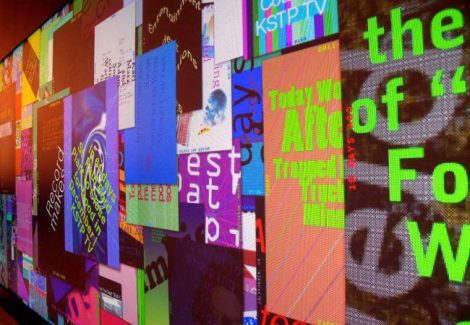
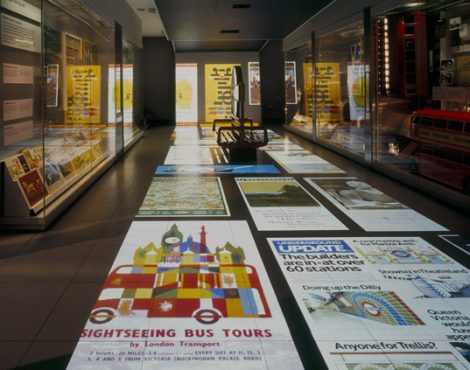
“Throughout this century, there has been first a gradual and then an accelerated movement of communication patterns until today the public is virtually bombarded by printed and projected images until most of them become blurred andmeaningless. This burden of visual ideas places new demands on the designer for more knowledge and for a greater involvement in the planning and problem-solving aspects of communication. Whether he likes it or not, the contemporary art director must be at ease with editorial thinking, advertising objectives, market strategy, human response, and social responsibility—if his layouts are to move from the egocentric boundaries of the drawing board to the excitement of the printed page.”-Allen Hurlburt, Layout: The Design of the Printed Page