What fonts go with Spectral? This Google Fonts serif designed specifically for screen reading requires companions that can match its technical sophistication and excellent rendering.
Spectral, designed by Production Type for Google Fonts, represents a new generation of serif typefaces engineered from the ground up for digital reading. Its design features moderate contrast, sturdy serifs, and carefully tuned proportions that render crisply across screen types and sizes. What sets Spectral apart is its availability as a variable font with seven weights and matching italics, all optimized for screen display. The result is a serif that feels classical enough for long-form reading but performs flawlessly in digital contexts.
The pairing consideration with Spectral is its screen-first orientation. Companions should share its commitment to digital legibility rather than fighting against it. Sans-serifs with similar technical care create harmonious modern combinations, while more traditional designs might feel at odds with Spectral’s optimized nature. The font excels in editorial and publishing contexts where extended reading comfort matters. Here are 15 fonts that pair well with Spectral, selected for their ability to create cohesive digital typography systems.
1. Karla

Spectral’s refined wedge serifs and vertical stress create headlines with algorithmic precision. Karla‘s quirky grotesque forms in body text bring unexpected personality that prevents sterility. This pairing suits design studios, tech publications, or creative agencies. The contrast between Spectral’s formal structure and Karla’s humanist irregularities creates productive tension. Sophisticated with a wink.


2. Roboto Mono Bold

Roboto Mono’s fixed-width construction in bold creates headlines with programming culture credibility. Spectral Light in body text provides the refinement that balances technical associations. This pairing works for developer documentation, tech journalism, or engineering publications. The monospace headlines signal precision while Spectral’s proportional spacing ensures comfortable reading.


3. Spectral SC

Same family, different case treatment. Spectral SC‘s small caps create subheadings with classical authority while regular Spectral handles body text. This monofamily approach ensures perfect harmony while small caps add hierarchical distinction. Works for academic publishing, legal documents, or formal communications. The shared proportions make weight matching effortless.


4. Source Sans Pro

Source Sans Pro‘s UI-optimized construction creates efficient body text that Spectral’s refined serifs can lead gracefully. The combination balances digital pragmatism with typographic elegance. Works for publishing platforms, documentation, or content management systems. Both fonts emphasize readability, making this pairing reliable across contexts and devices.


5. Open Sans

Open Sans‘s neutral humanist forms provide body text that never competes with Spectral’s refined headlines. The combination is the editorial equivalent of black tie with comfortable shoes. Works for corporate publishing, educational content, or long-form journalism. Open Sans handles heavy lifting while Spectral provides the visual signature.


6. Inter
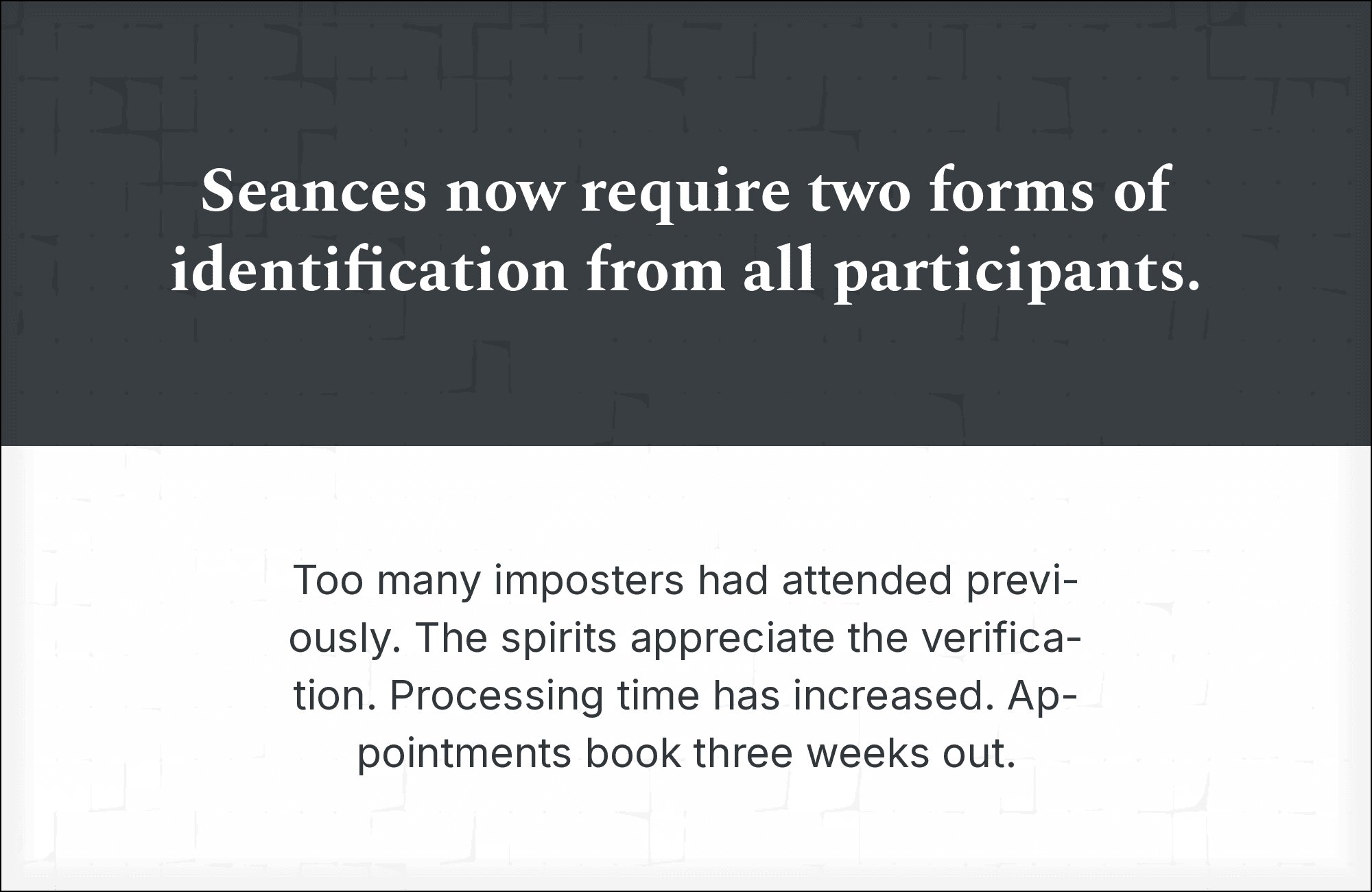
Inter‘s screen-optimized geometry creates body text built for interfaces, while Spectral’s serifs bring editorial sophistication to headlines. This combination bridges UI and publishing aesthetics effectively. Works for content-heavy applications, reading platforms, or editorial dashboards. Both fonts render crisply across devices, ensuring consistent quality.


7. Work Sans

Work Sans‘s screen-optimized proportions create body text designed for digital reading. Spectral’s refined serifs in headlines add the typographic character that Work Sans deliberately avoids. This pairing suits SaaS content, product documentation, or editorial platforms. The sans-serif workhorse supports Spectral’s refined display forms.


8. Fira Sans

Fira Sans brings Mozilla’s design heritage to body text through its humanist proportions and technical precision. Spectral’s classical serifs in headlines create contrast between tech culture and traditional typography. This combination works for open-source documentation, developer content, or tech journalism. Both fonts emphasize clarity over decoration.


9. IBM Plex Sans

IBM Plex Sans‘s corporate DNA and enhanced legibility create body text with enterprise credibility. Spectral’s refined serifs in headlines add sophistication that elevates the combination. Works for business publishing, professional services, or corporate communications. The structured body text supports Spectral’s elegant display forms gracefully.


10. Poppins

Poppins‘s geometric circles and consistent stroke weights create body text with contemporary energy. Spectral’s classical proportions in headlines provide contrast that prevents the combination from feeling too trendy. Works for lifestyle content, creative agencies, or modern editorial. The geometric-versus-traditional contrast is dramatic but cohesive.


11. Roboto

Roboto‘s neutral grotesque forms provide the reliable body text that Spectral’s refined headlines can lean on. Google’s system font handles the practical work while Spectral supplies the visual signature. This combination works for Android-adjacent design, publishing platforms, or content applications. Clean, efficient, and professional.


12. Lato

Lato‘s rounded terminals and even spacing create body text with subtle warmth. Spectral’s wedge serifs in headlines add formal elegance without coldness. This pairing suits lifestyle publications, wellness content, or hospitality brands. The combination feels polished but approachable. Lato’s friendly character balances Spectral’s precision.


13. Nunito Sans

Nunito Sans‘s rounded terminals bring softness to body text that contrasts productively with Spectral’s sharp serifs. The combination feels contemporary yet traditional simultaneously. Works for educational content, healthcare communications, or family-oriented publishing. Nunito Sans’s friendliness balances Spectral’s formality effectively.


14. PT Sans

PT Sans‘s humanist proportions and Russian typography heritage create body text with subtle distinction. Spectral’s modern serif forms in headlines provide classical elegance. This pairing works for cultural publications, literary magazines, or heritage brands. The shared emphasis on readable proportions creates underlying cohesion.


15. Manrope

Manrope‘s geometric construction and variable font capabilities create modern body text with technical sophistication. Spectral’s traditional serifs in headlines provide contrast that grounds the combination historically. Works for tech publications, design systems, or contemporary editorial. The geometric-versus-classical contrast feels intentional and fresh.


Conclusion
There are no absolute rules for font pairing, just principles to guide you. The key is contrast—in weight, in style (serif vs. sans-serif), or in personality. Spectral is versatile enough to play well with many different typefaces.
Trust your eye, experiment freely, and remember that the best pairing is the one that serves your content and audience. Typography should enhance communication, not complicate it.
