What fonts go with Karla? This friendly grotesque brings a distinctive quirkiness that calls for pairings equally comfortable with personality over polish.
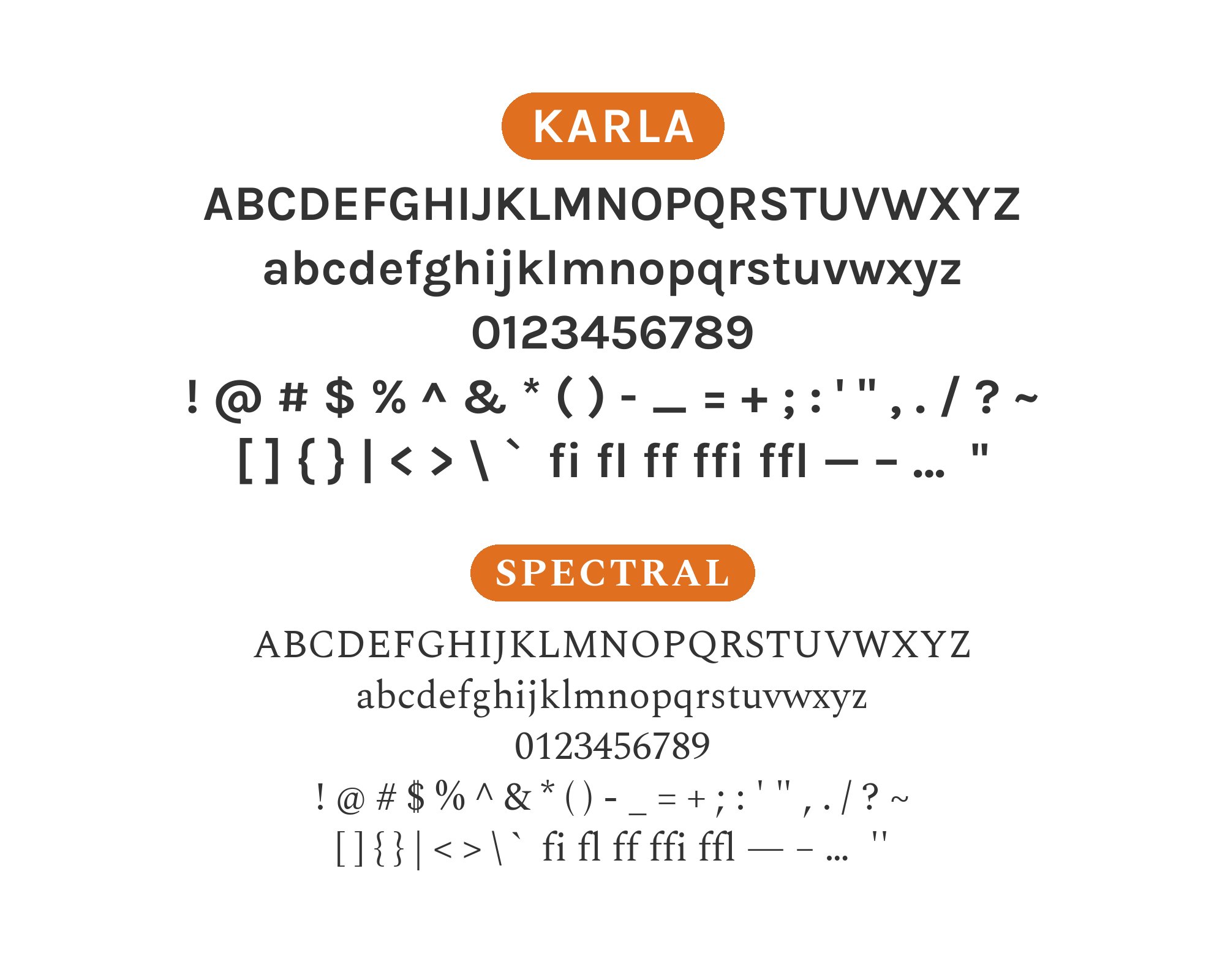
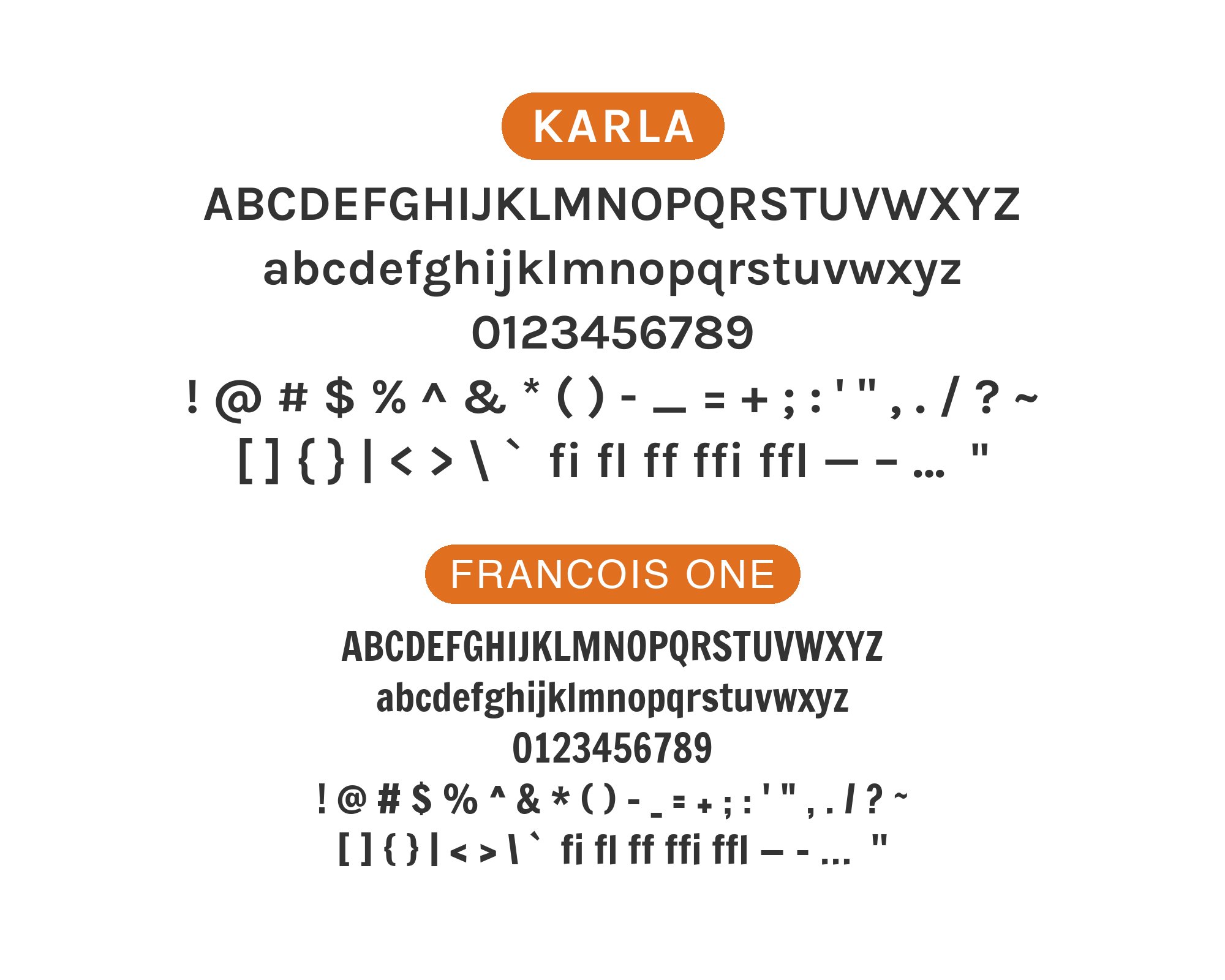
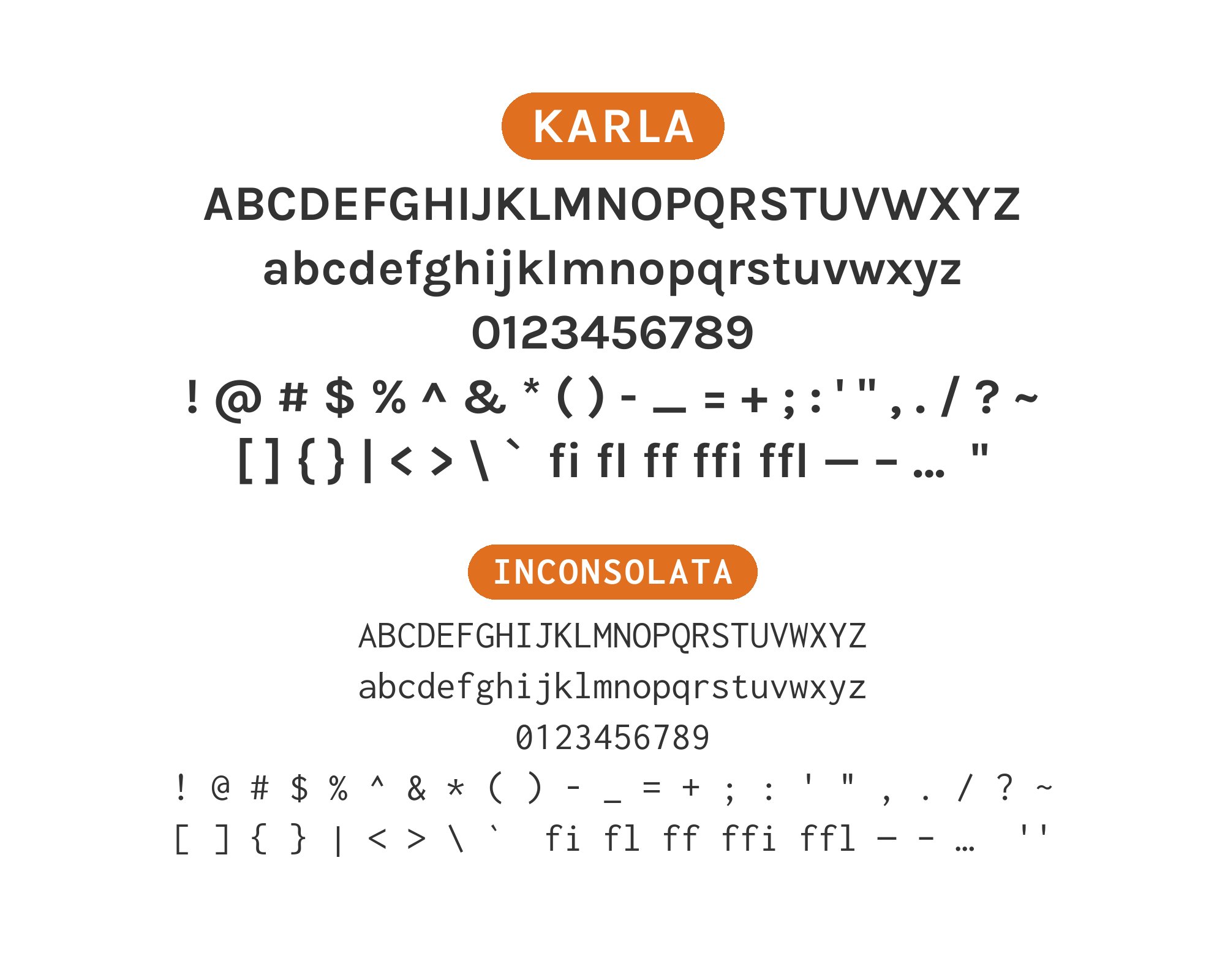
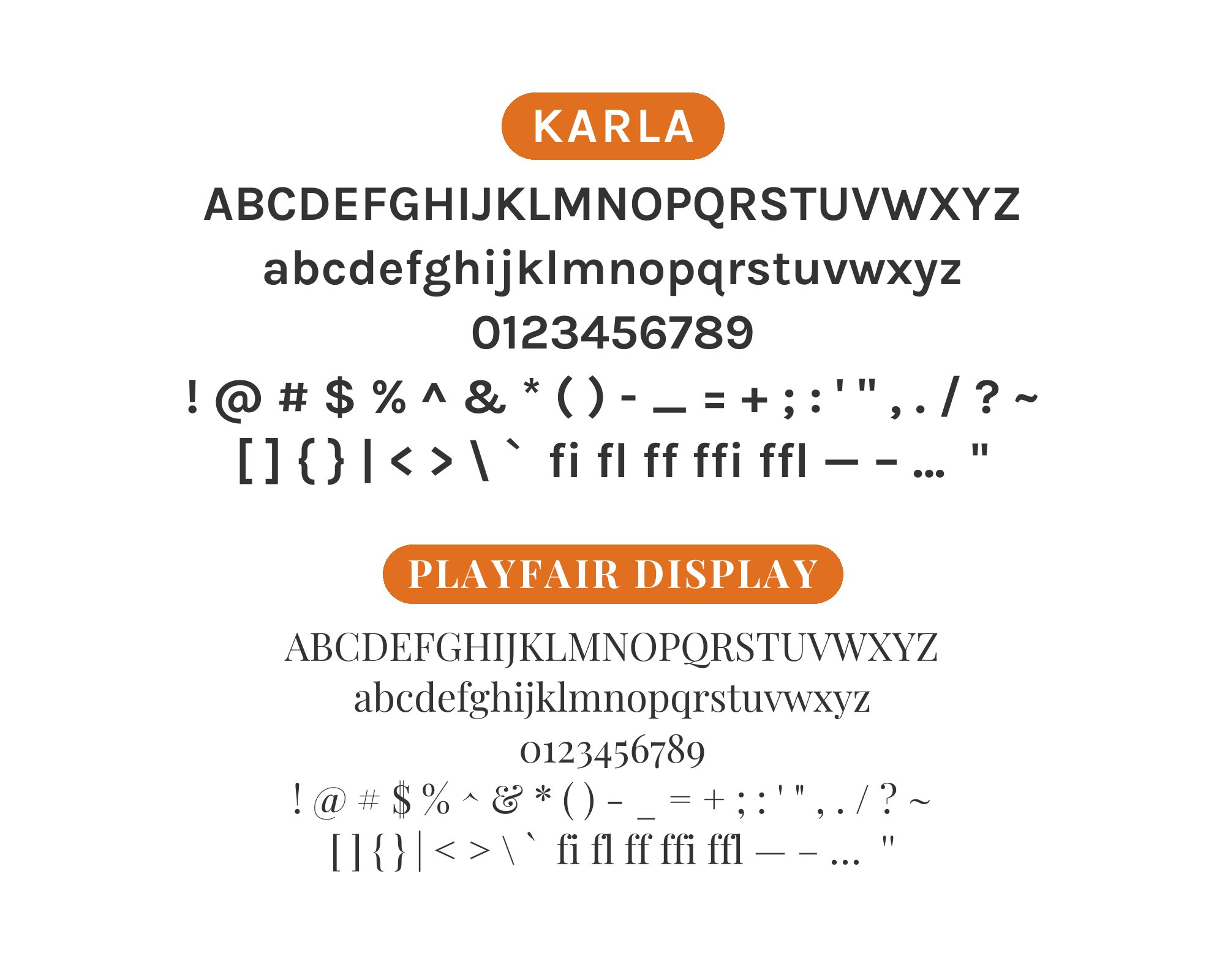
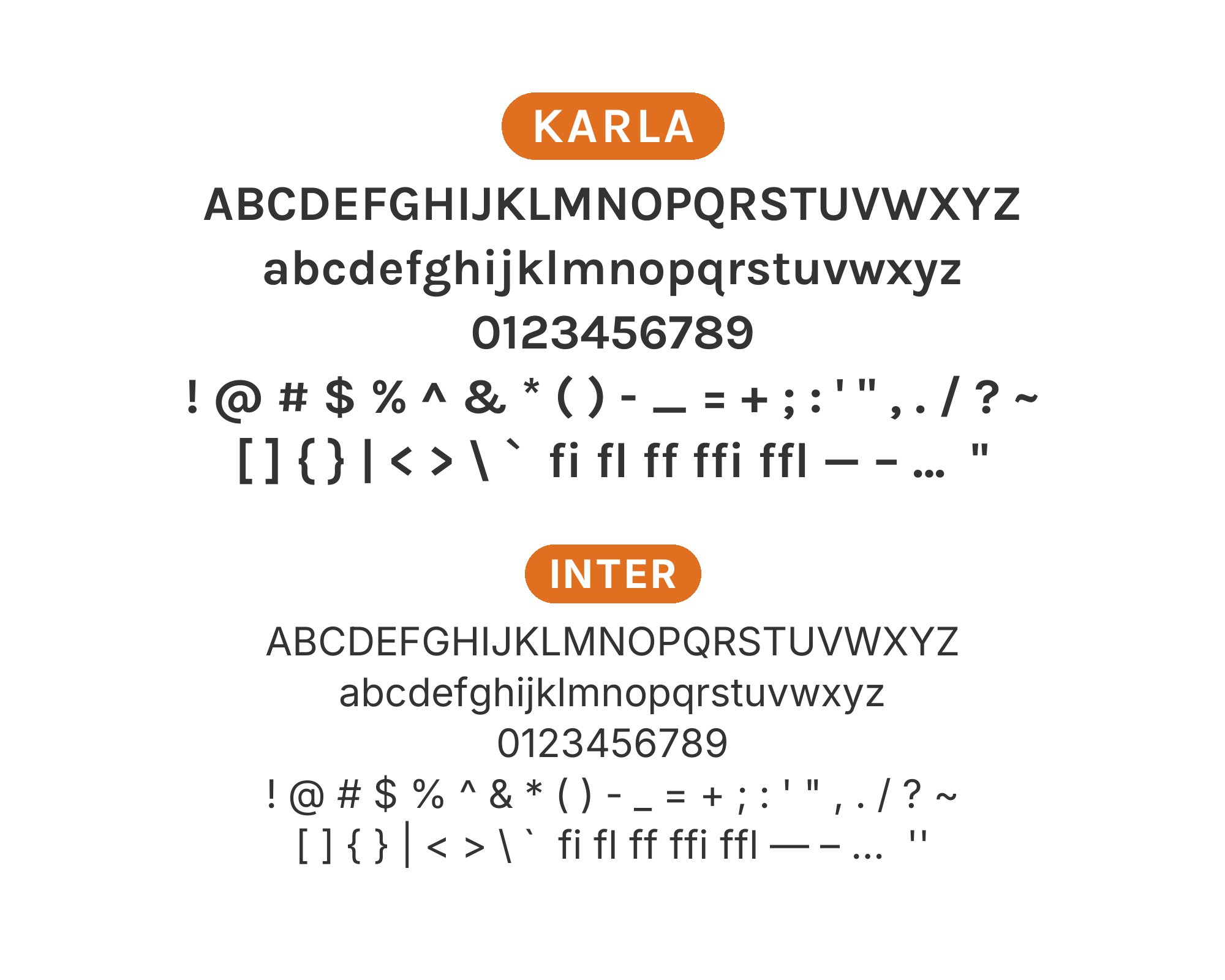
Karla, designed by Jonny Pinhorn for Google Fonts, takes the traditional grotesque genre and infuses it with warmth and character. Its slightly condensed proportions and angular terminals give it an almost handmade quality, while maintaining enough geometric consistency to work as a functional workhorse. The font’s personality shows through in details like its distinctive lowercase ‘g’ and the subtle irregularities that keep text from feeling sterile. Originally released in Regular and Bold, its expansion to a variable font with italic styles has made it even more versatile.
Pairing Karla means embracing rather than fighting its character. Overly formal serifs can feel at odds with its approachable nature, while generic sans-serifs miss the opportunity to build on its personality. The best companions either share its humanist warmth or provide classical contrast that makes Karla’s friendliness shine brighter. Here are 15 fonts that pair well with Karla, selected for their ability to create harmonious or meaningfully contrasting relationships.
1. Spectral
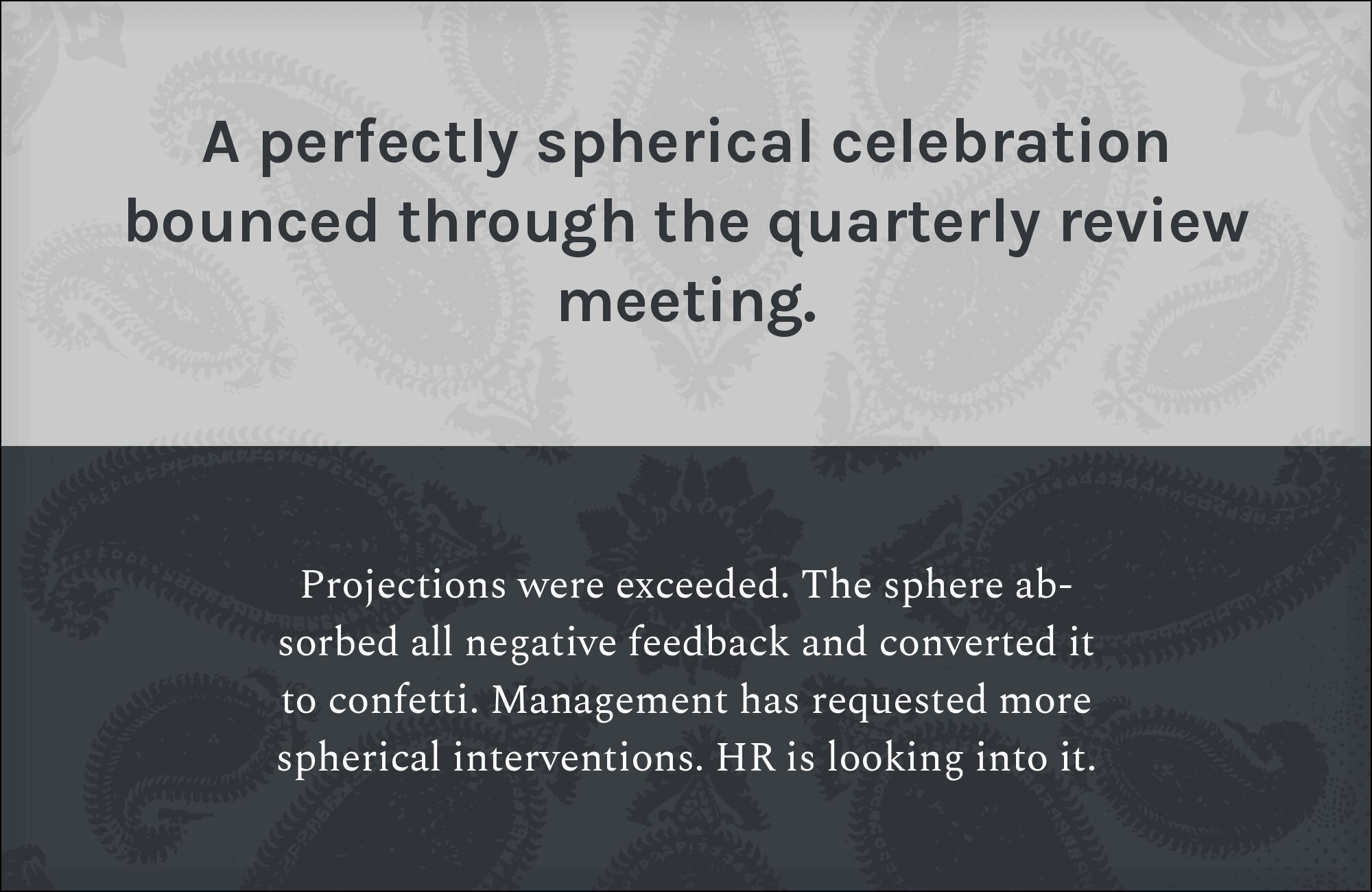
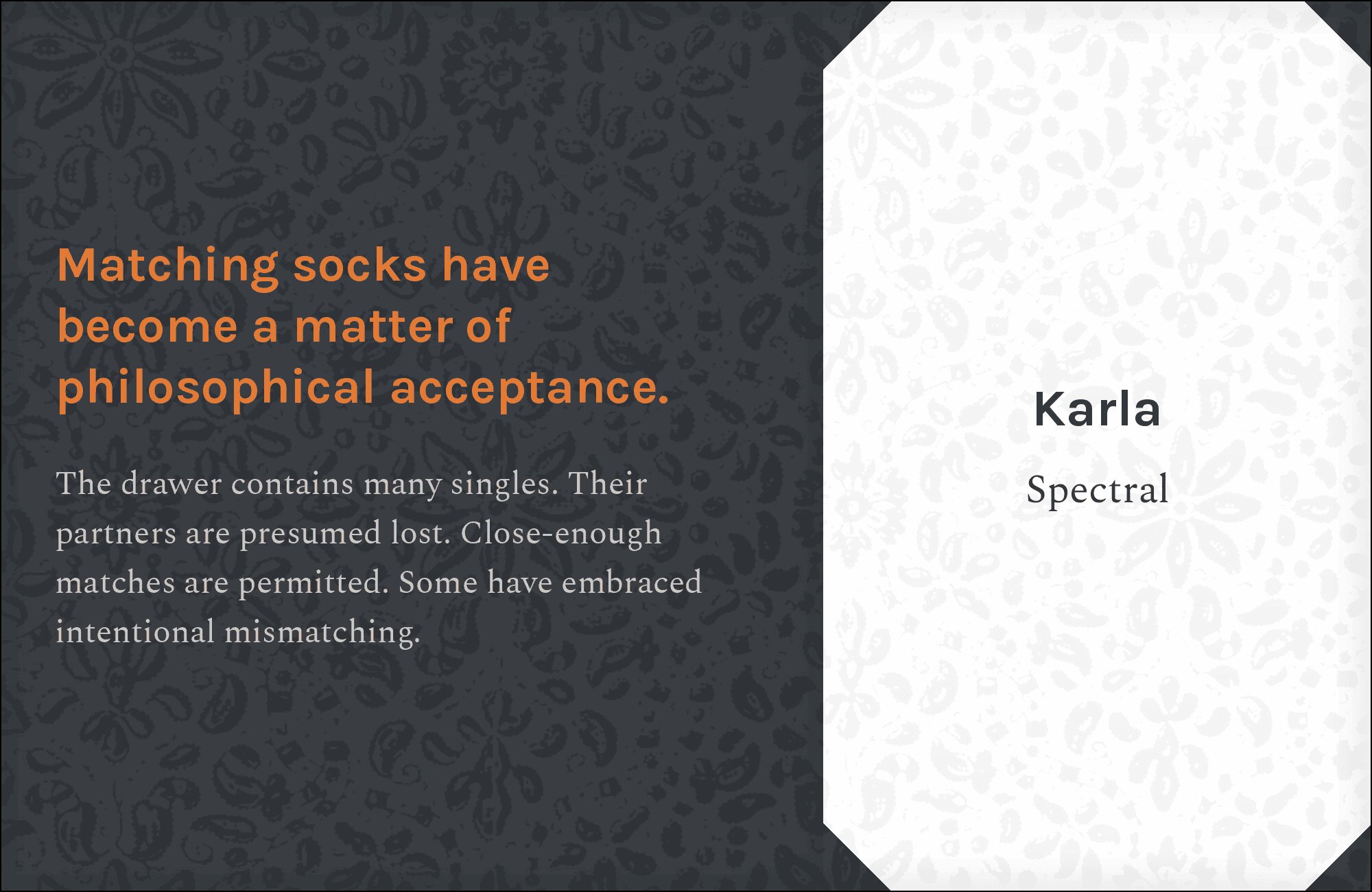
Spectral‘s refined serifs bring crystalline clarity to headlines while Karla’s quirky grotesque forms handle body text with unexpected personality. The serif’s vertical stress and sharp wedge serifs feel almost algorithmic, which paradoxically pairs well with Karla’s hand-drawn irregularities. This combination works for design studios, cultural publications, or tech companies that want to signal creativity. The contrast in temperament creates productive tension.
2. Francois One
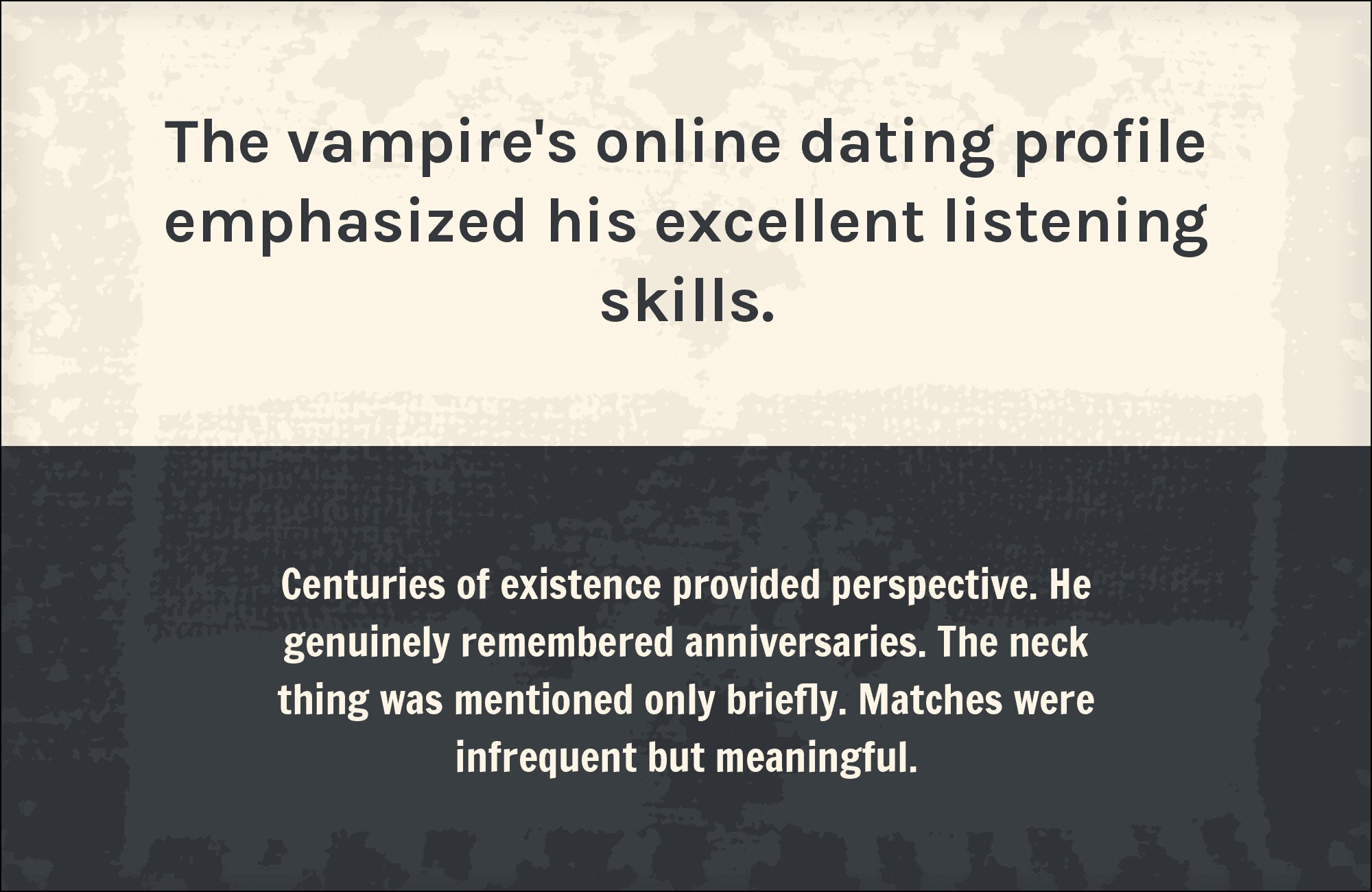
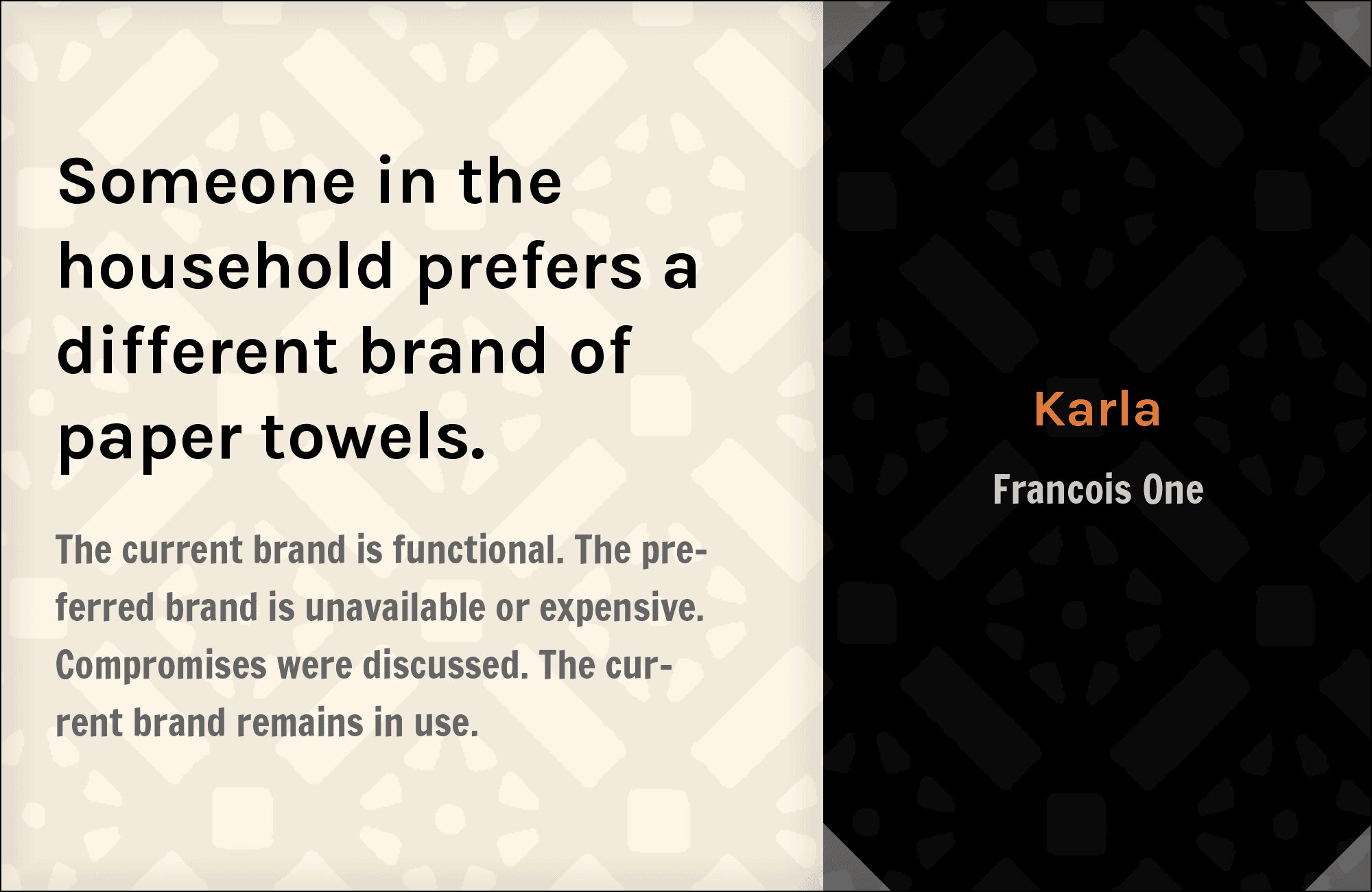
Francois One‘s all-caps construction and condensed proportions demand attention at headline sizes. Below, Karla’s lowercase forms bring friendly approachability that balances the shouting. This pairing works for music venues, event promotion, or entertainment brands. The dramatic weight contrast between the bold display and the medium body creates clear hierarchy without competing for attention. Just keep Francois One large, where its proportions sing.
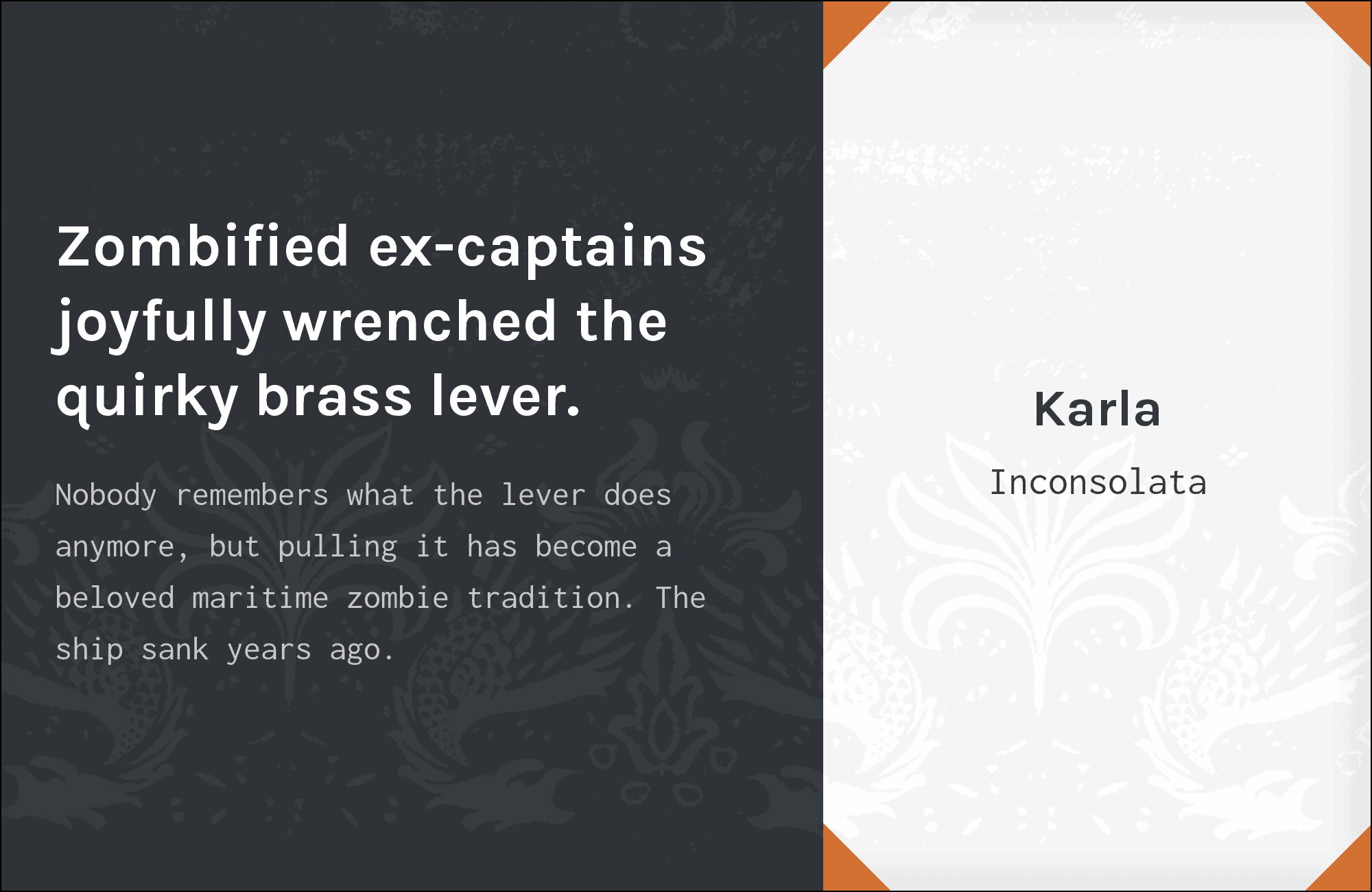
3. Inconsolata
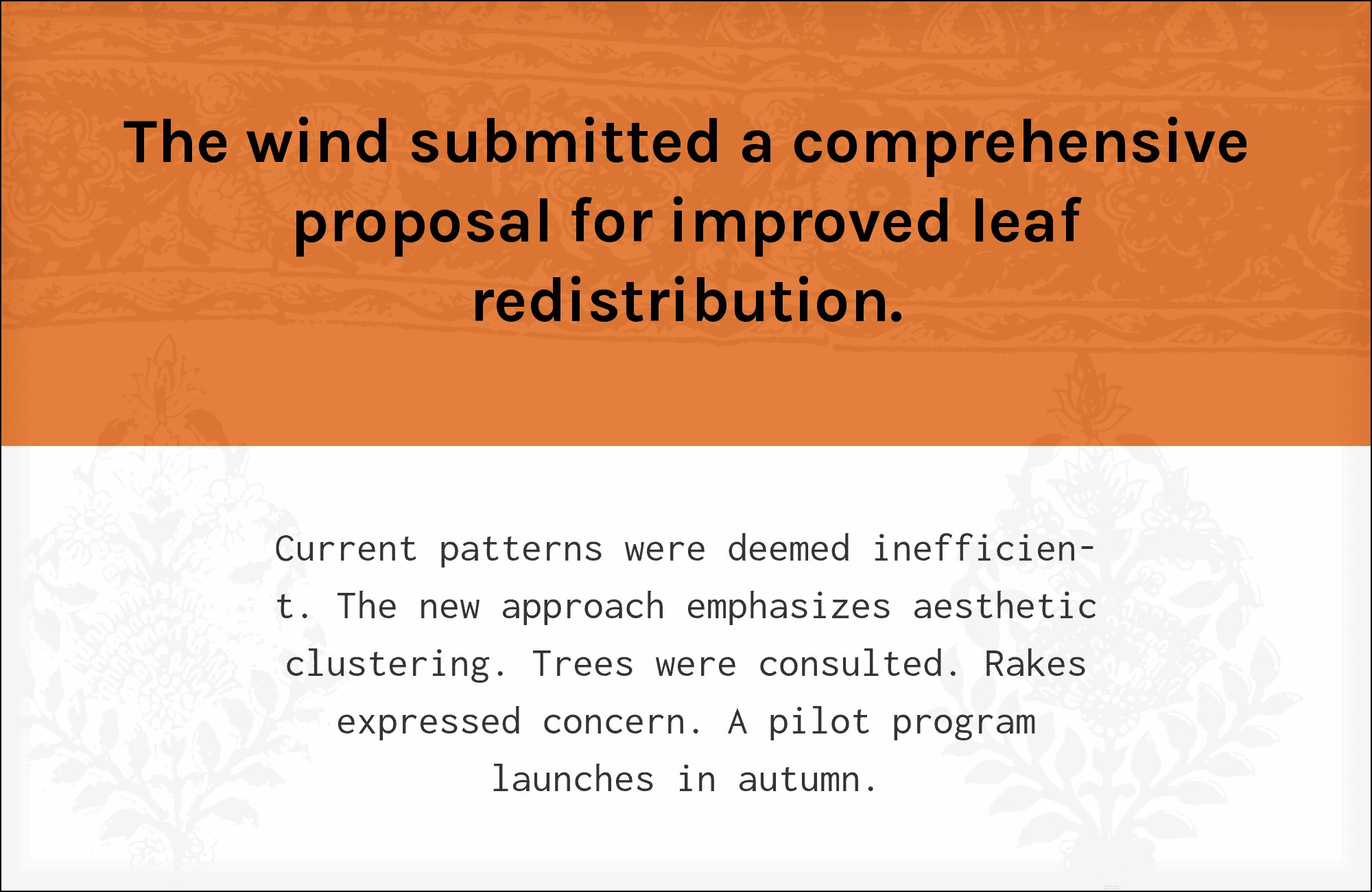
Pairing a grotesque with a monospace shouldn’t work, but here we are. Inconsolata‘s programming-culture associations bring technical credibility, while Karla’s humanist touches prevent things from feeling too sterile. This combination suits developer documentation, coding tutorials, or tech blogs. The fixed-width forms create visual rhythm in code blocks that contrasts pleasantly with Karla’s proportional spacing. Nerdy and functional.
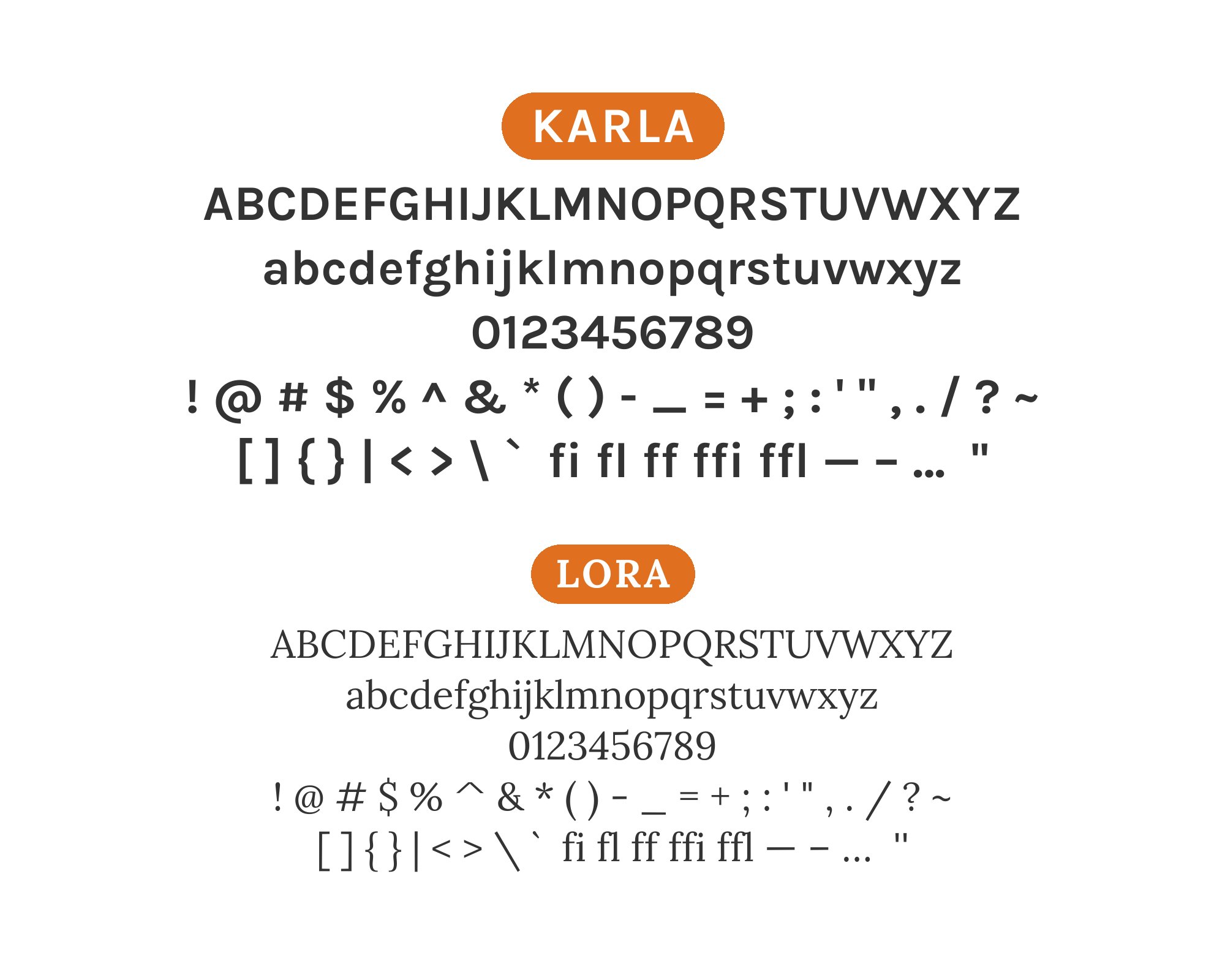
4. Lora
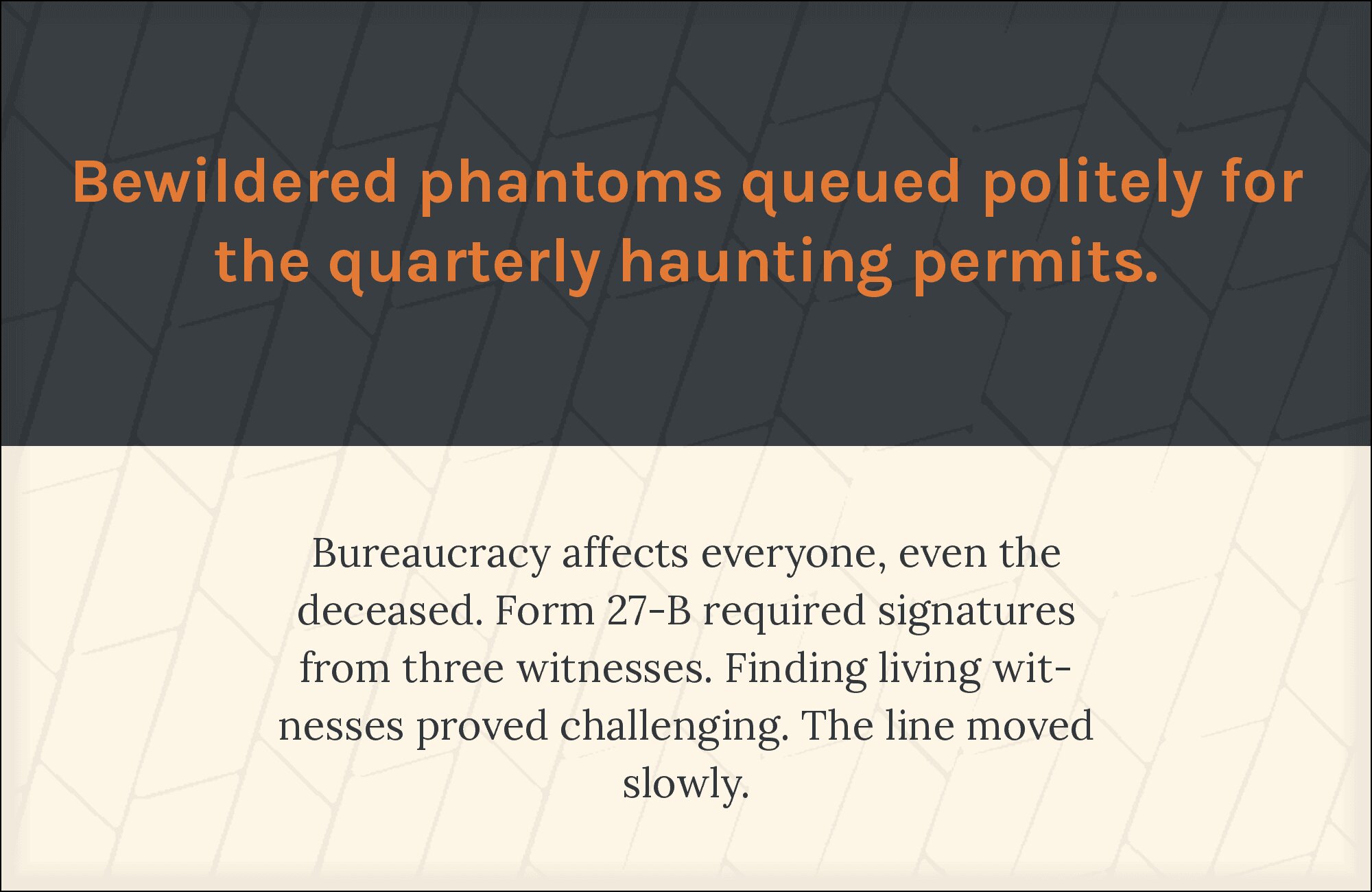
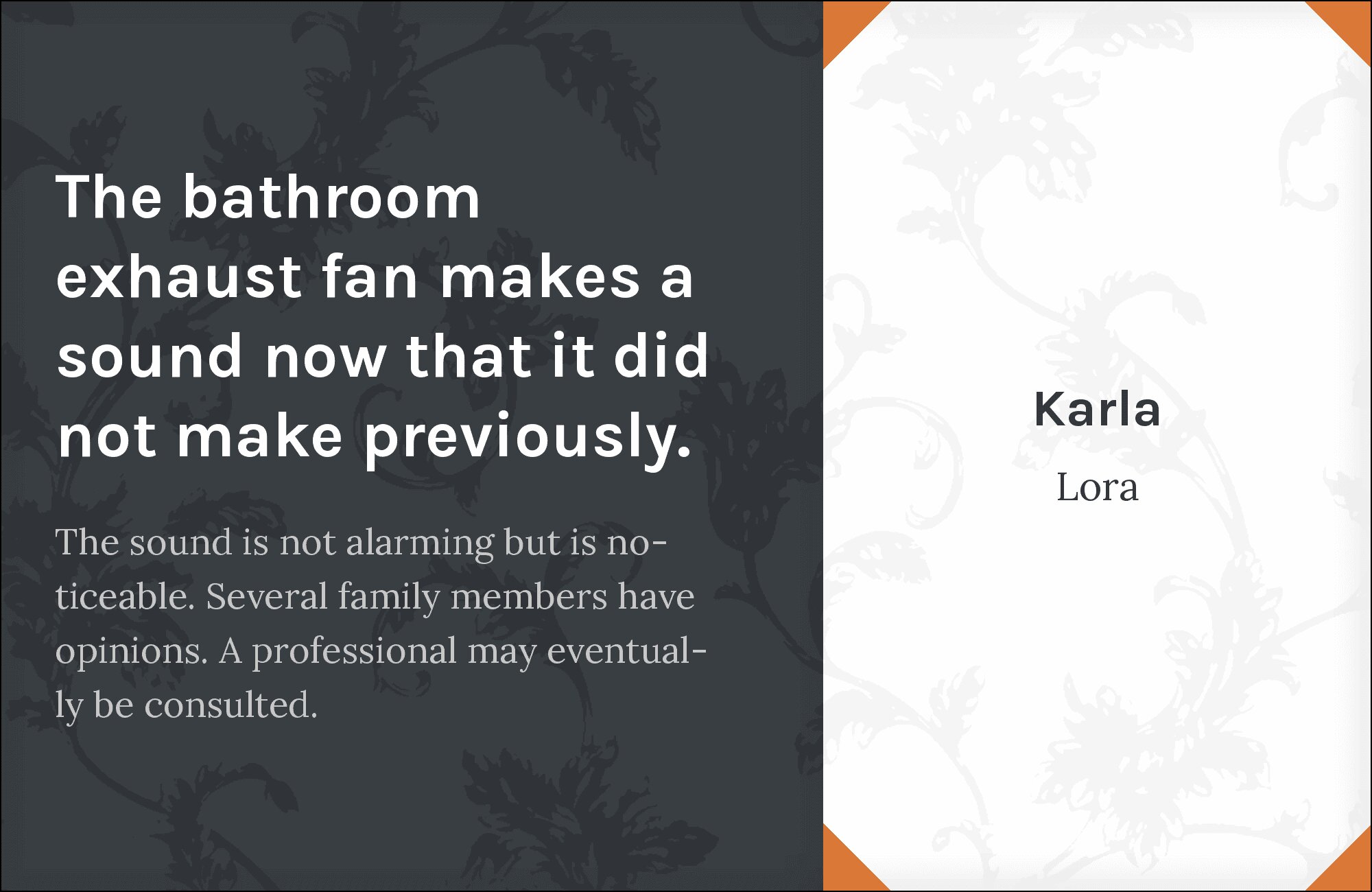
Lora‘s calligraphic DNA shows in its brush-influenced curves and soft serif terminals. As a headline font, it brings warmth that Karla’s body text continues with its own brand of approachability. The combination feels like a well-curated bookshop, inviting but curated. Works for literary magazines, publishing houses, or cultural institutions. Both fonts share generous x-heights, creating comfortable reading rhythm across the hierarchy.
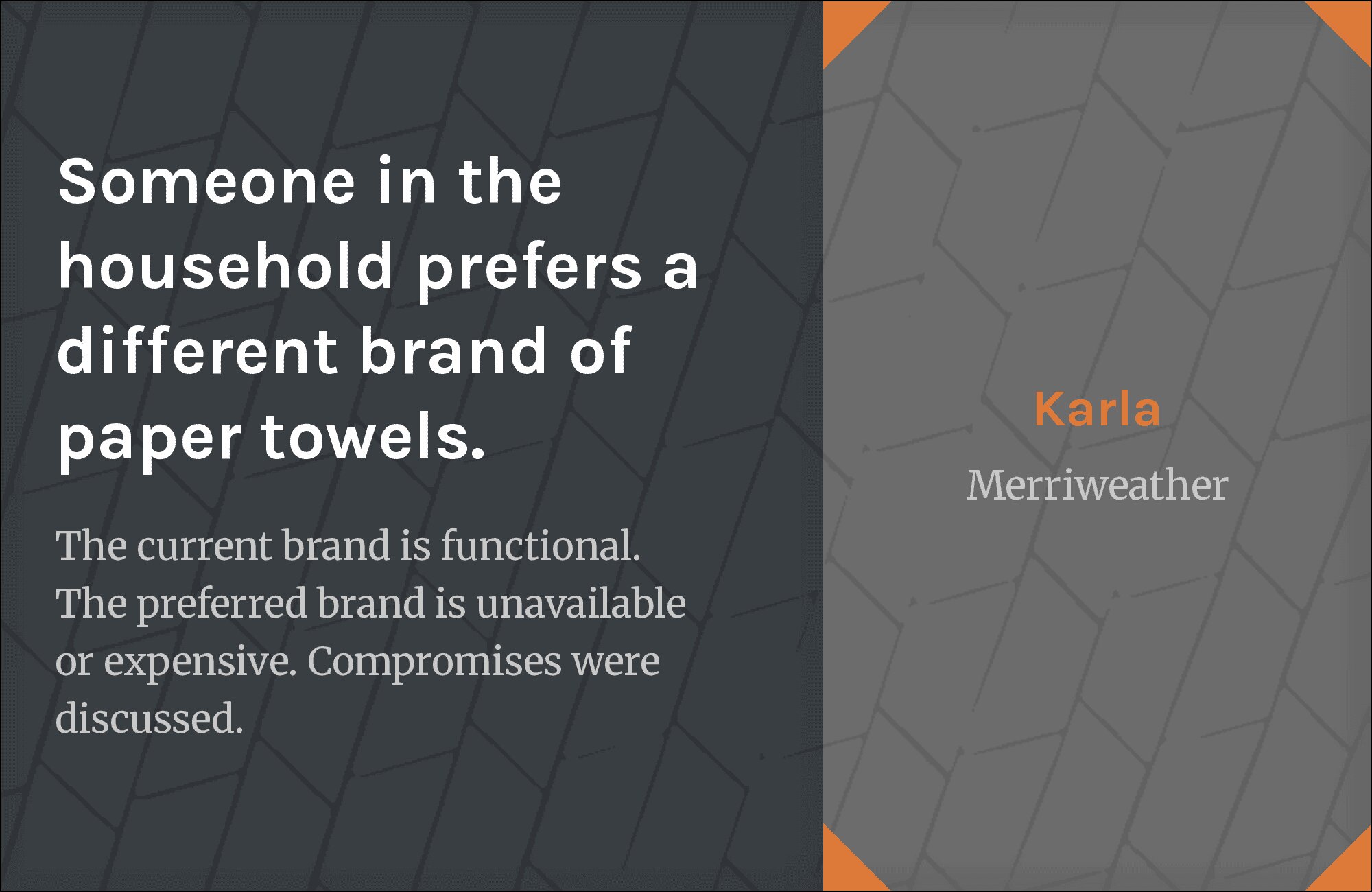
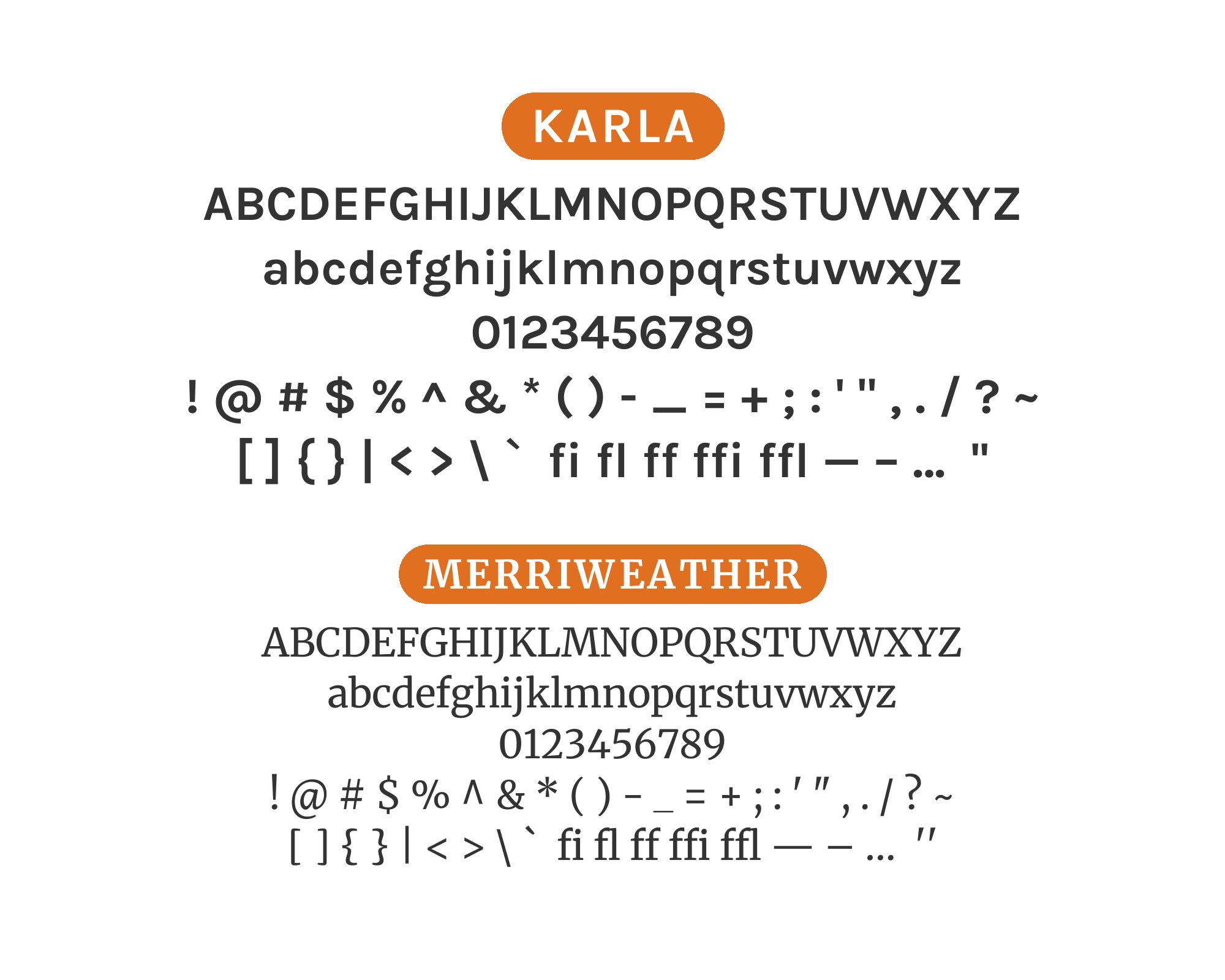
5. Merriweather
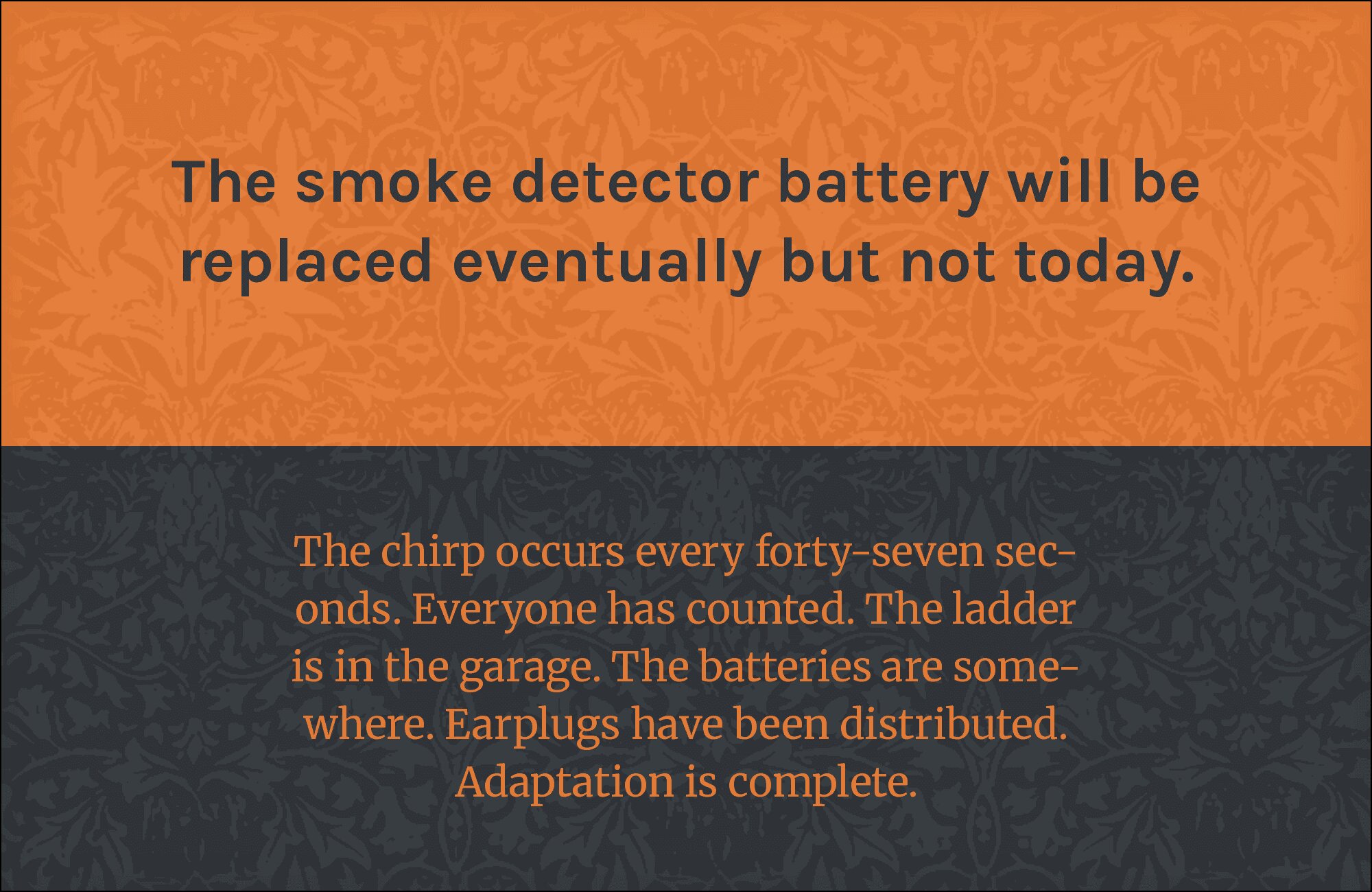
Merriweather‘s thick serifs and sturdy construction create headlines with real weight and authority. Karla’s slightly offbeat proportions in body text add personality without undermining the seriousness. This pairing suits educational content, nonprofit communications, or journalistic projects. The screen-optimized designs of both fonts ensure crisp rendering across devices. The serif-to-grotesque contrast is classic but feels fresh here.
6. Playfair Display
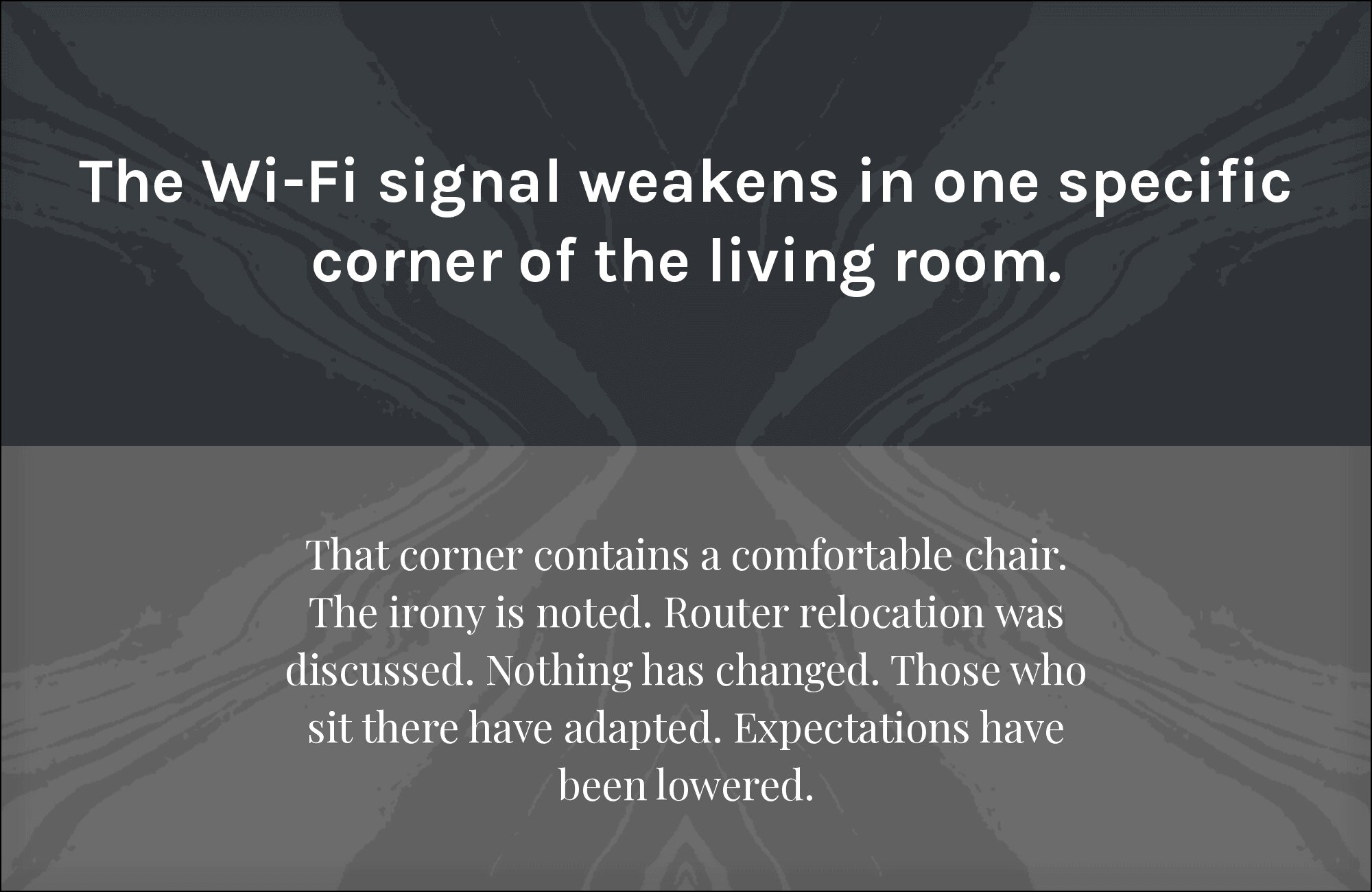
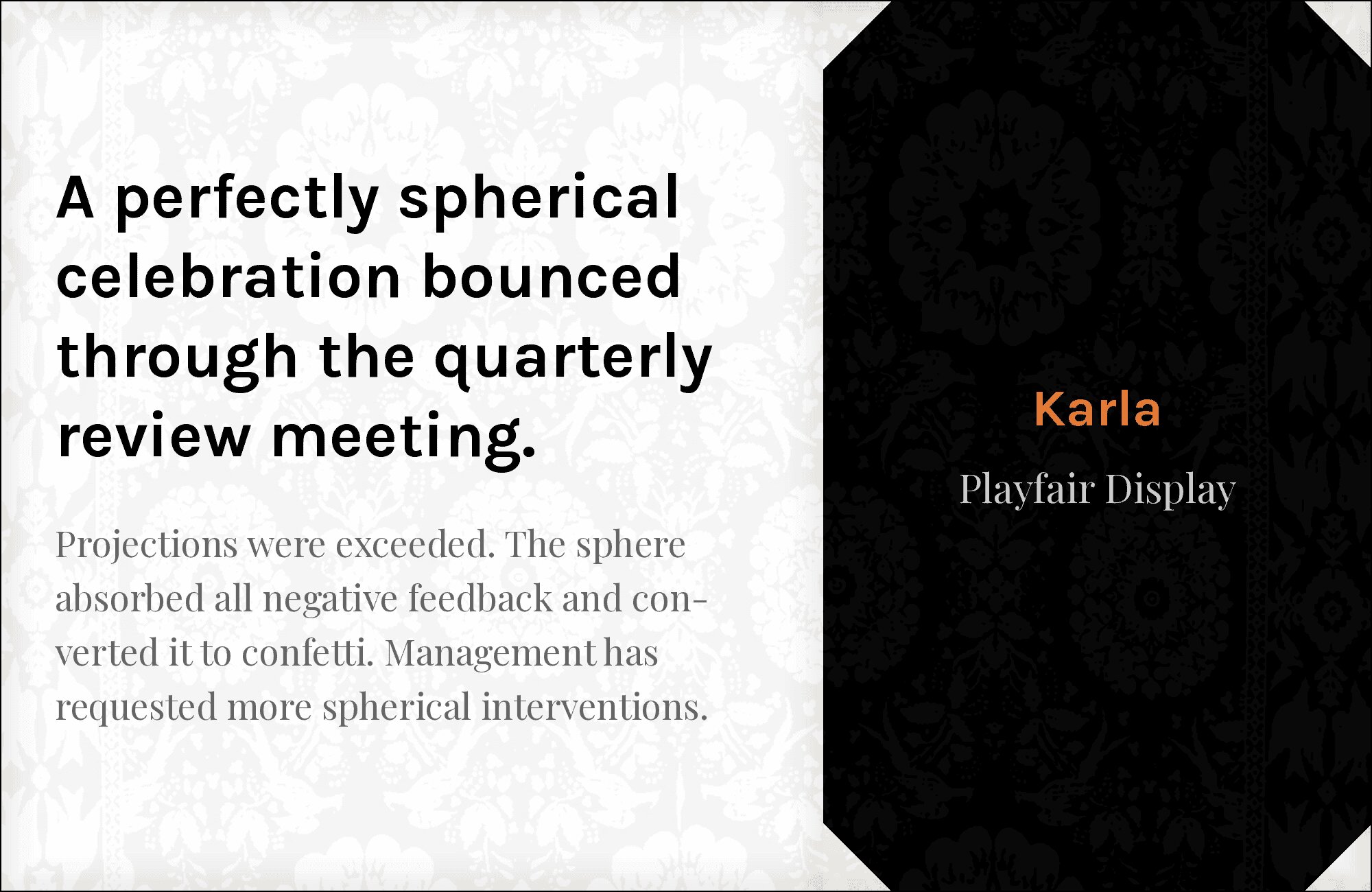
Playfair‘s theatrical contrast and ball terminals create headlines that demand attention like an opera singer hitting a high note. Below, Karla’s understated quirks provide the supporting cast without competing. This high-low combination works for fashion editorials, luxury hospitality, or gallery openings. The dramatic difference in stroke modulation requires careful weight matching to avoid visual whiplash.
You'll love this article!
A visual guide for designers.
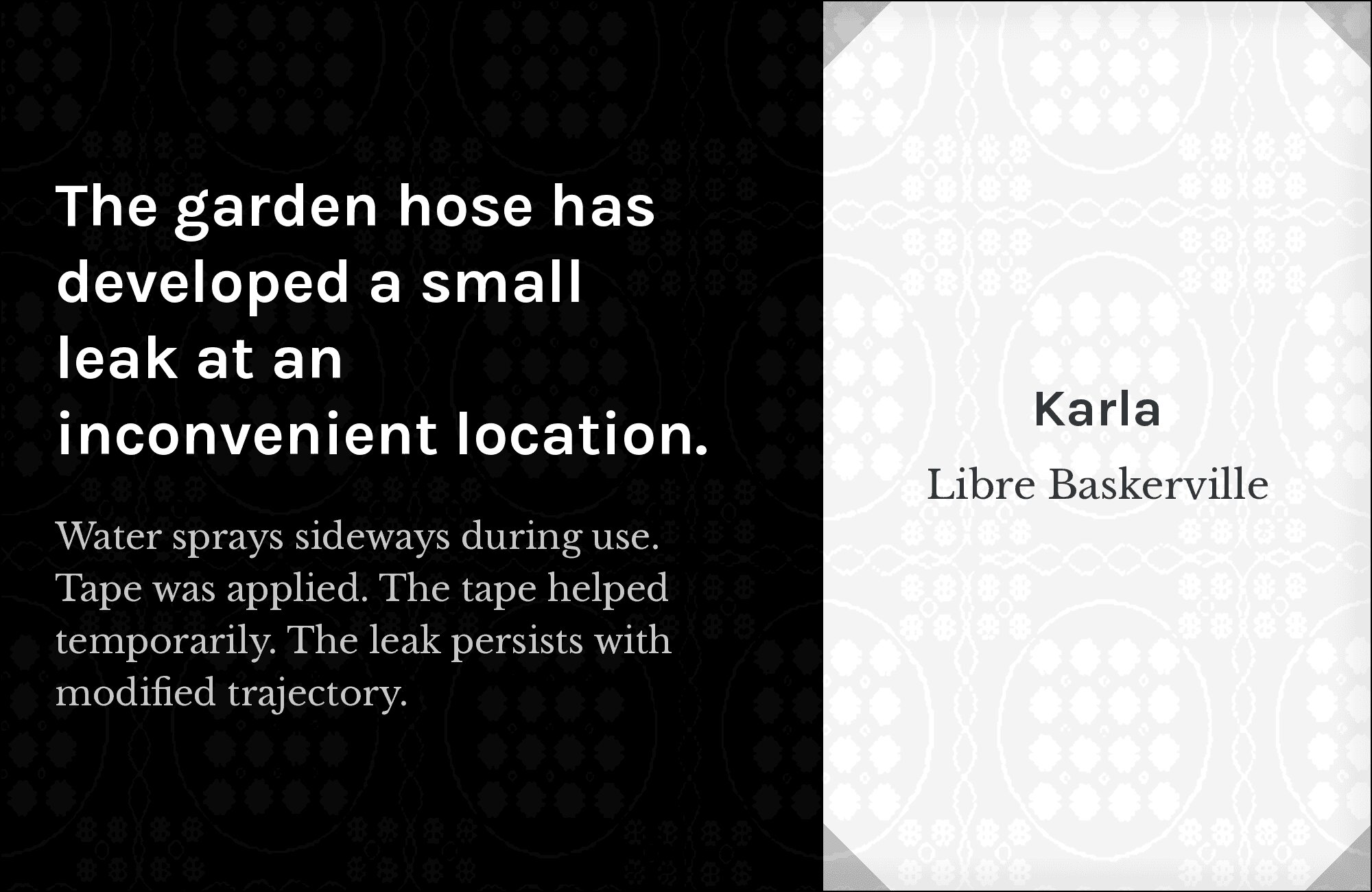
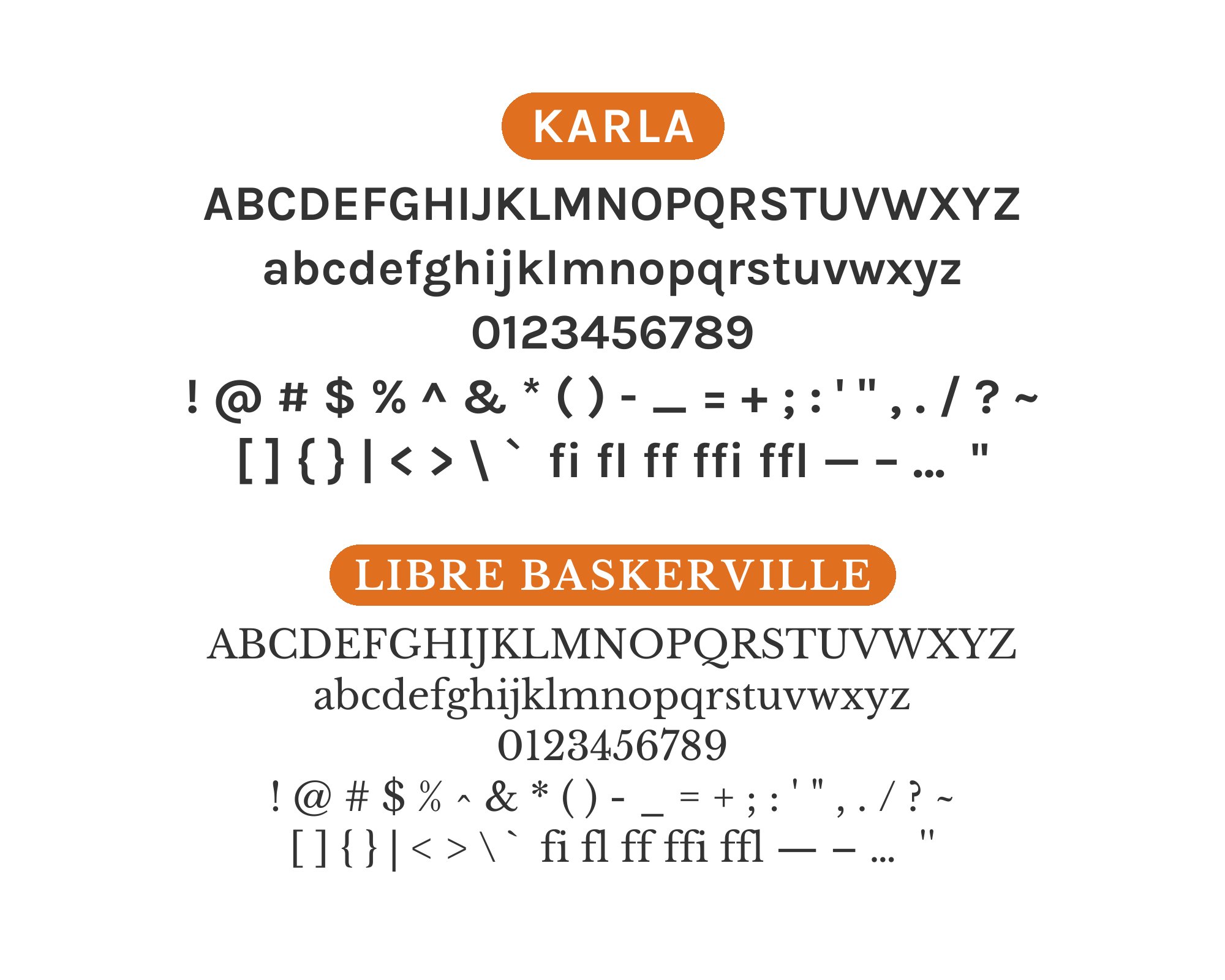
7. Libre Baskerville
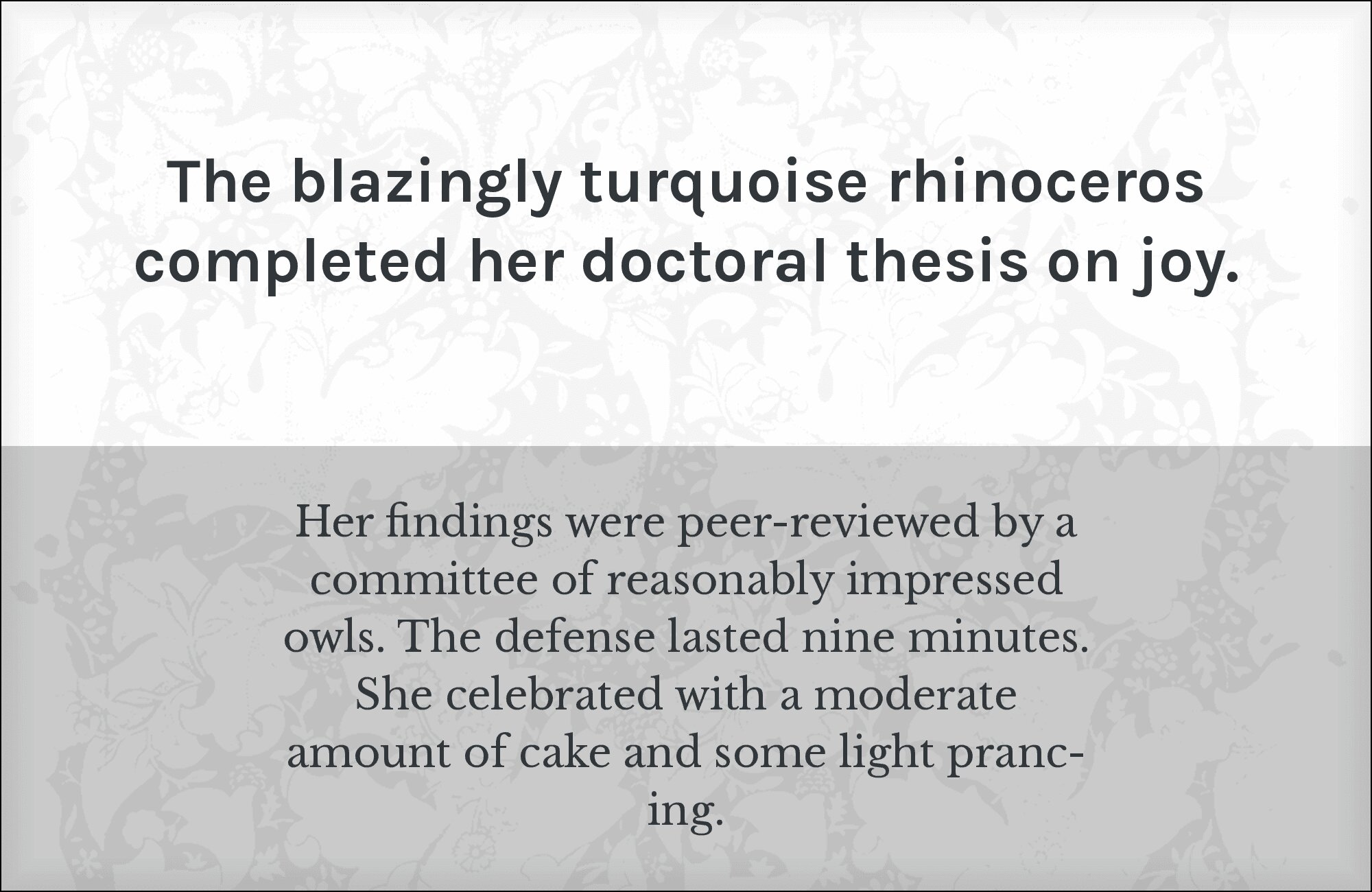
Libre Baskerville‘s transitional serif forms bring typographic tradition to headlines with genuine authority. Karla’s contemporary grotesque character provides body text that feels fresh without trying too hard. The combination spans centuries gracefully, suitable for academic publishing, museums, or heritage brands seeking modern expression. The contrast in historical reference points creates intellectual depth.
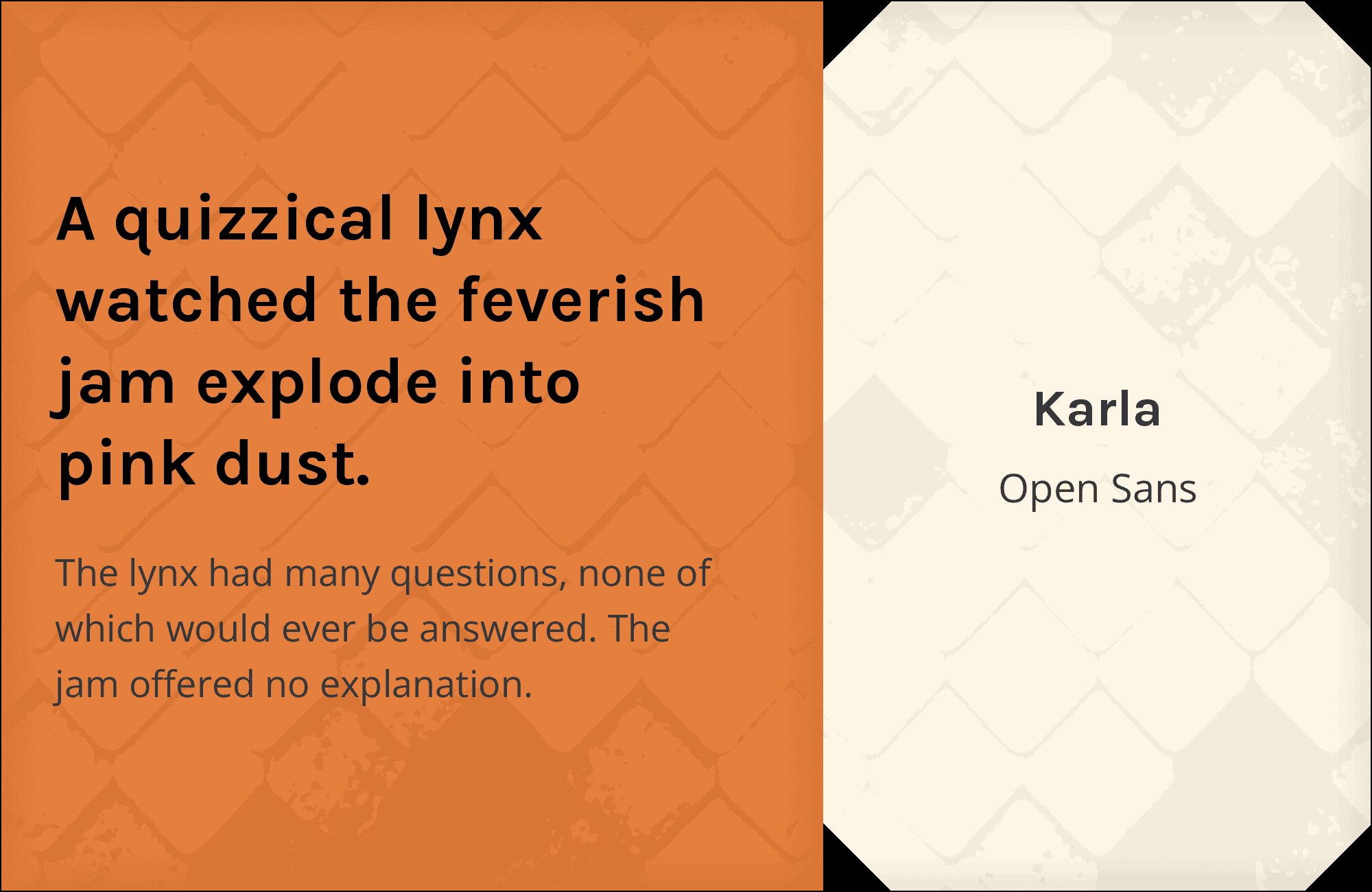
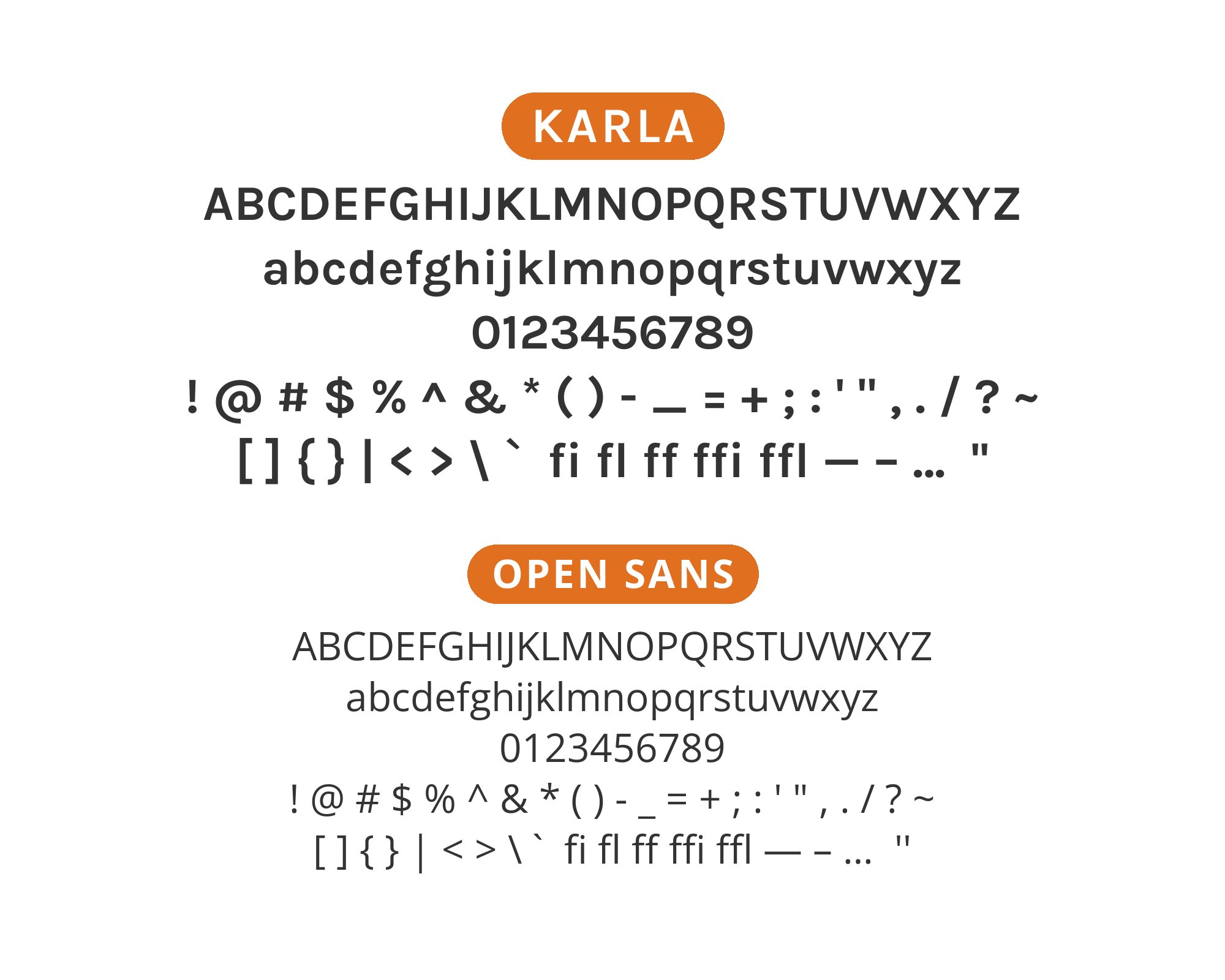
8. Open Sans
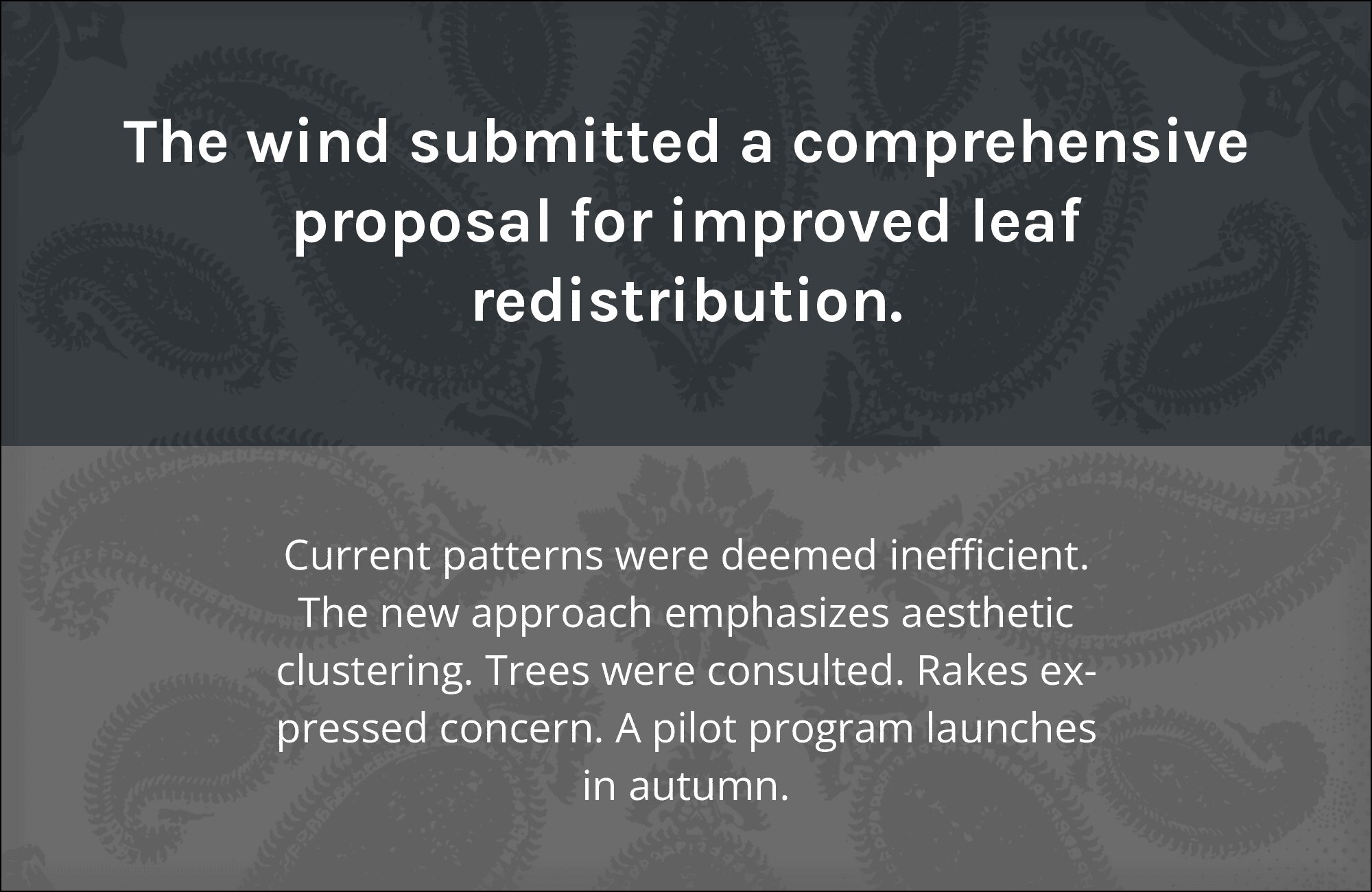
Open Sans in headlines provides the neutral foundation that lets content speak for itself. Karla’s distinctive body text then adds just enough personality to prevent sterility. This pairing works for SaaS products, documentation, or corporate communications that need accessibility without blandness. Both fonts excel at screen rendering, making this combination reliable across contexts. Sometimes one quirky font is enough.
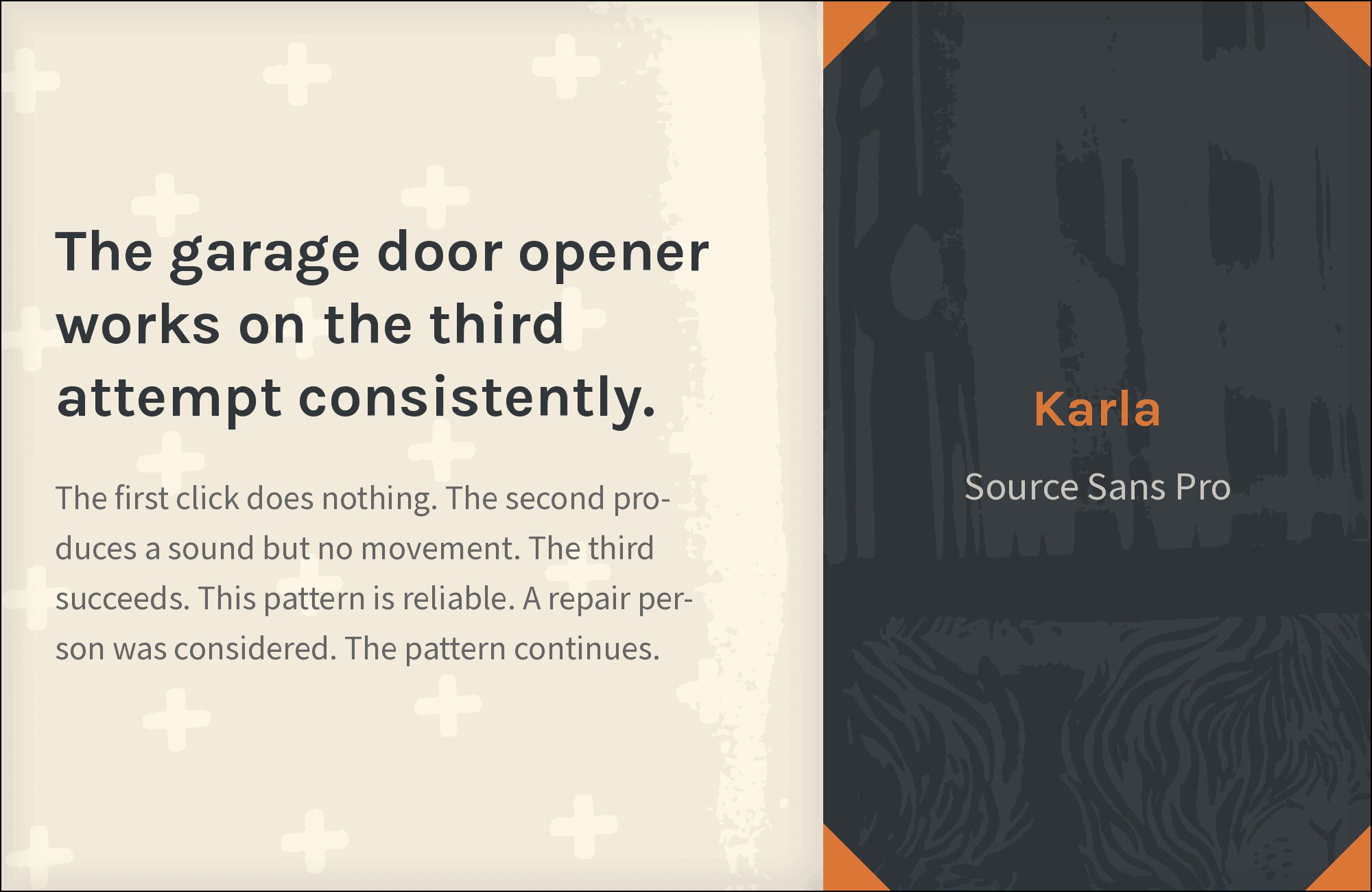
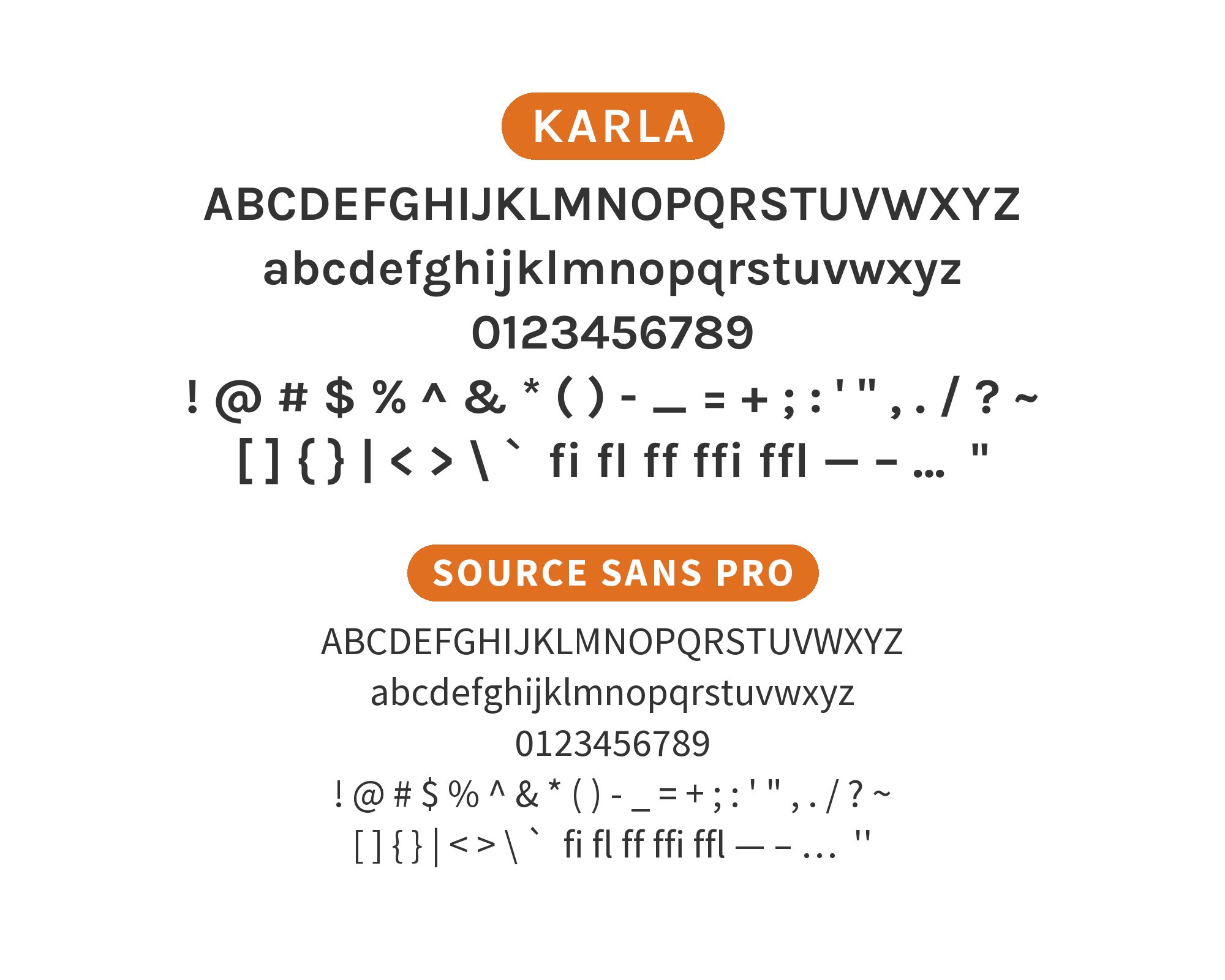
9. Source Sans Pro
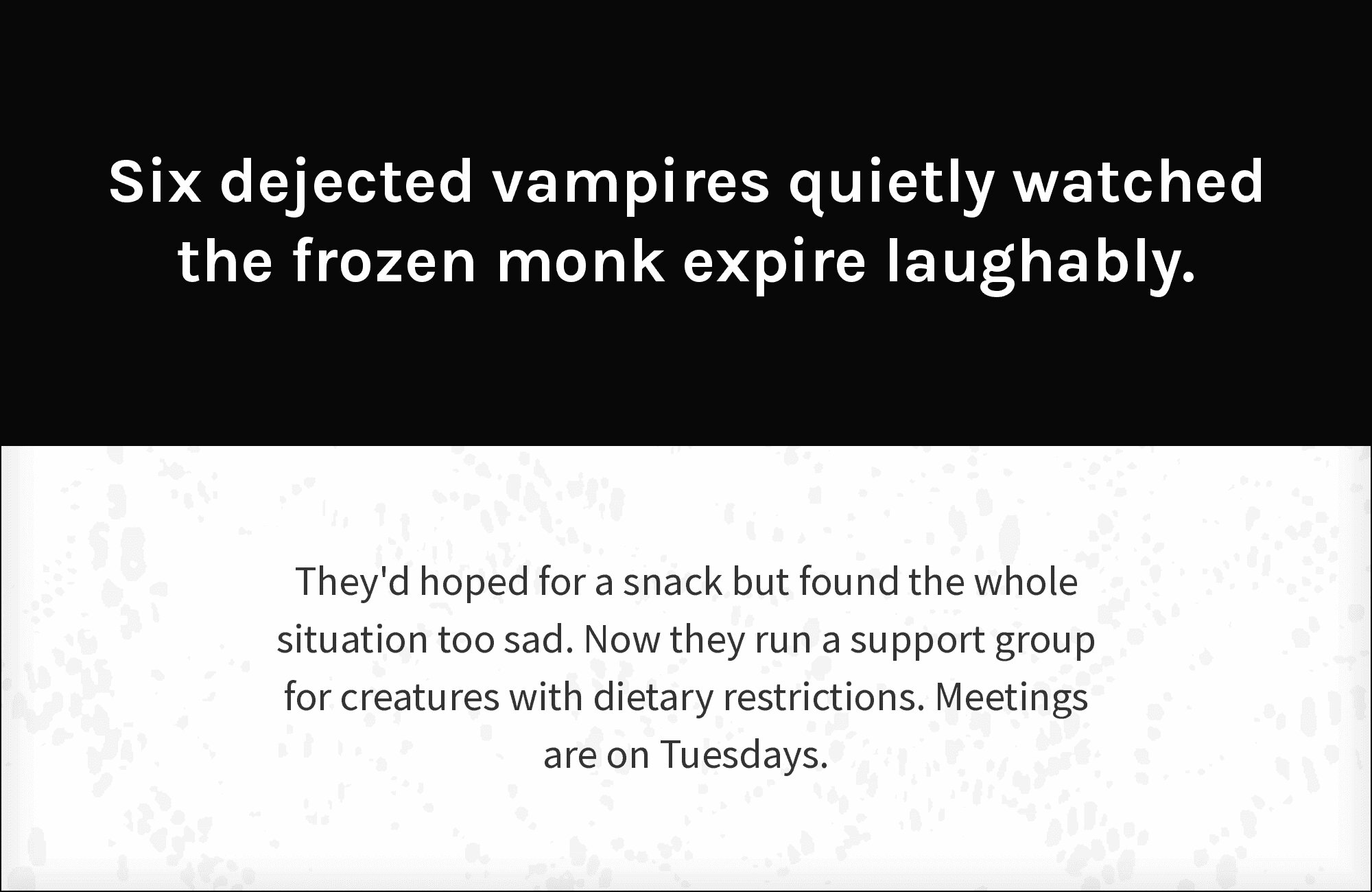
Source Sans Pro‘s UI-optimized clarity creates efficient headlines that Karla’s body text can follow without friction. Adobe’s open-source workhorse pairs well with Karla’s unexpected character details. This combination suits tech platforms, productivity tools, or educational applications. The shared emphasis on legibility over decoration creates professional results with subtle personality. Clean but not cold.
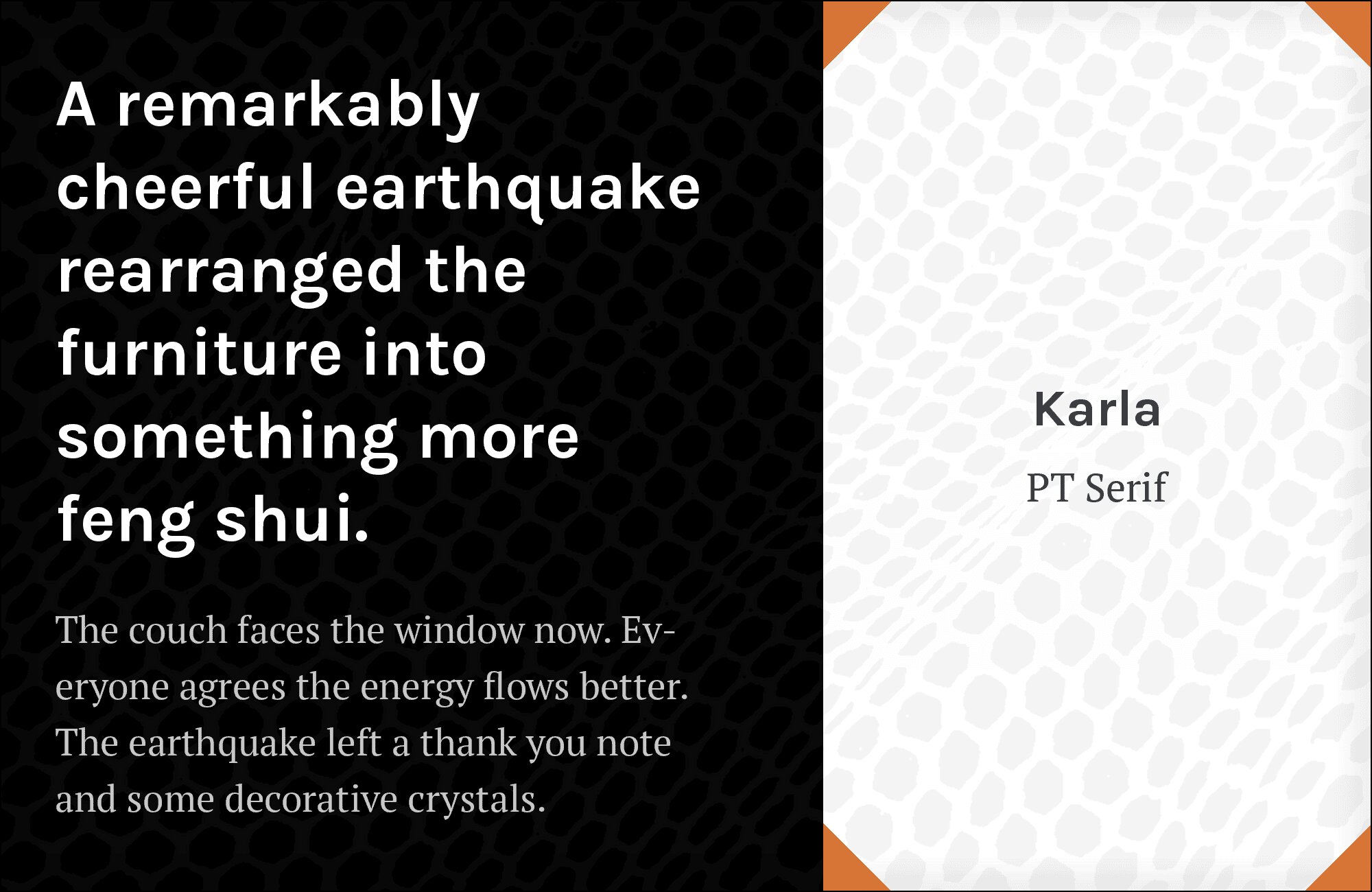
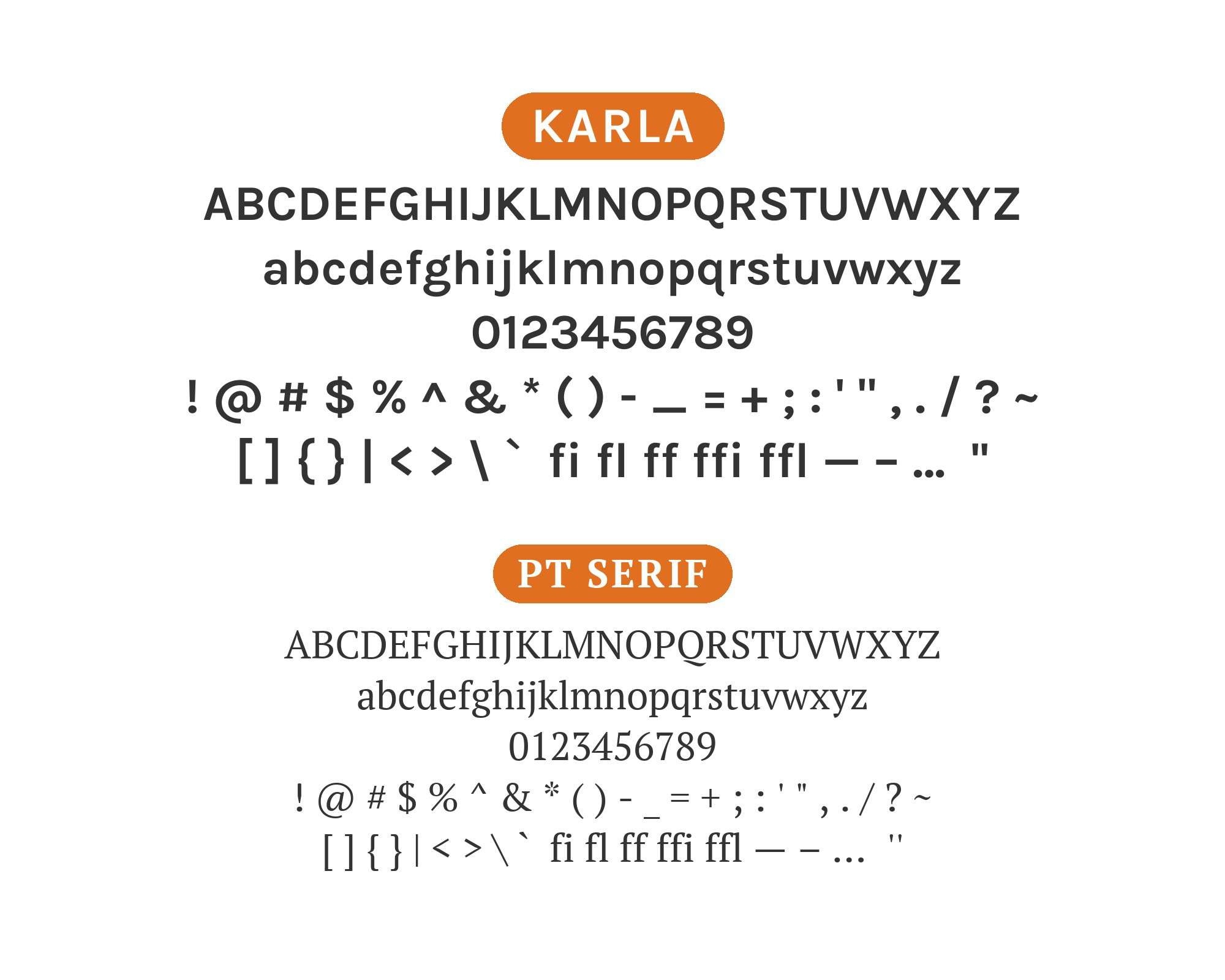
10. PT Serif
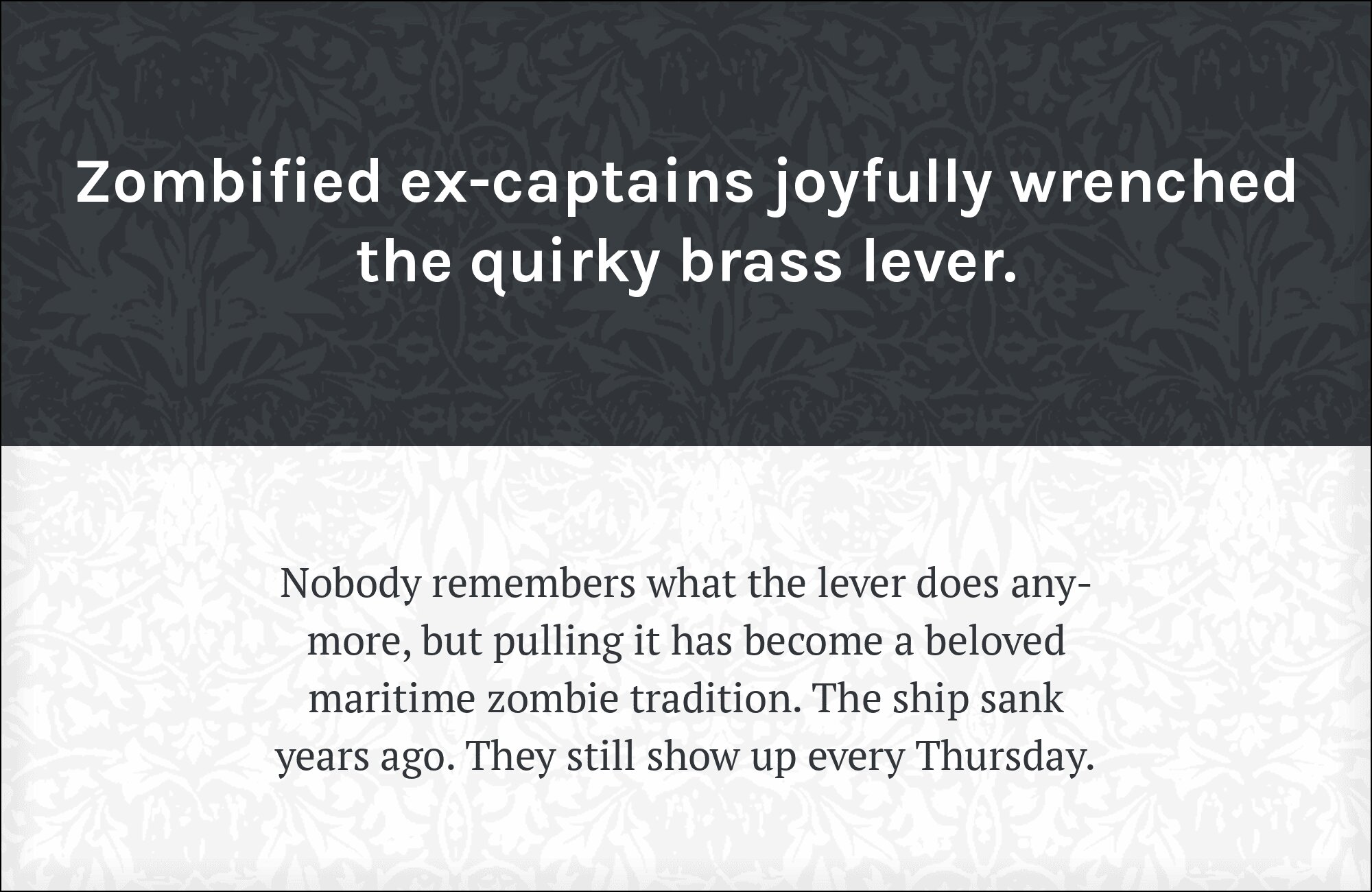
PT Serif brings humanist warmth to headlines through its rounded terminals and comfortable proportions. Karla’s grotesque forms in body text create contrast that feels conversational rather than formal. This pairing works for publishing platforms, cultural journalism, or lifestyle content. The Russian typography heritage of PT Serif adds subtle distinction, while Karla’s Latin roots keep things grounded.
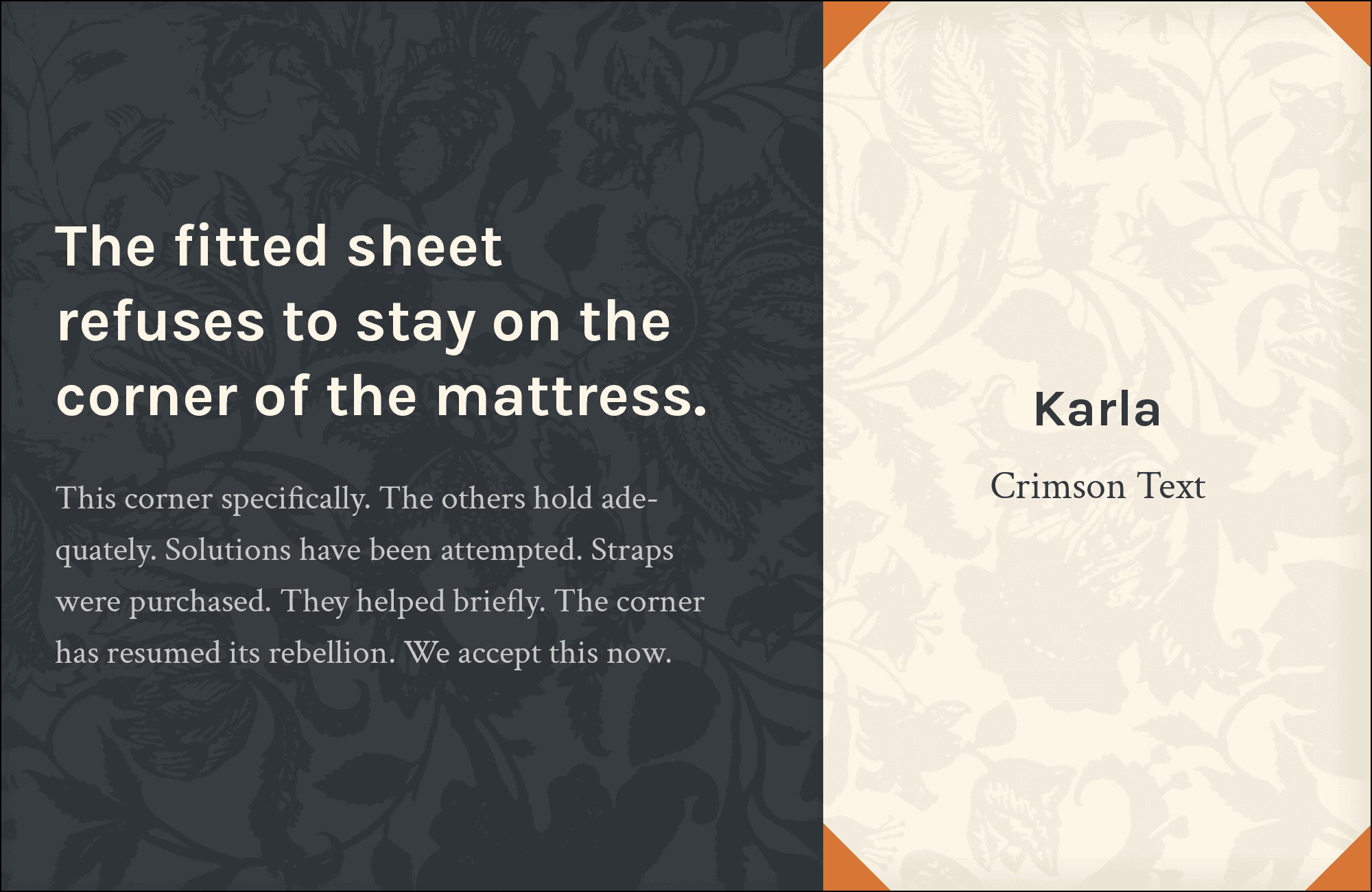
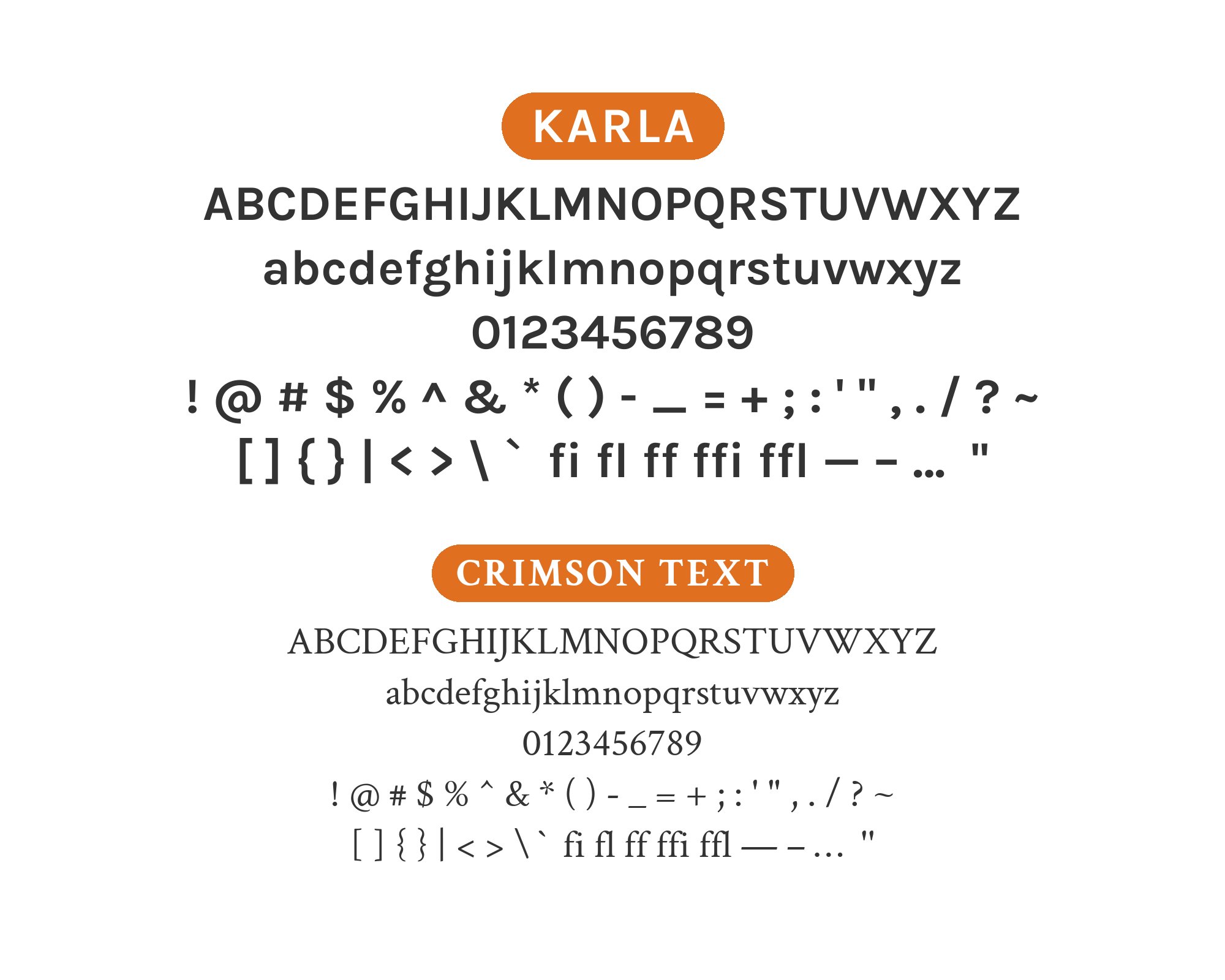
11. Crimson Text
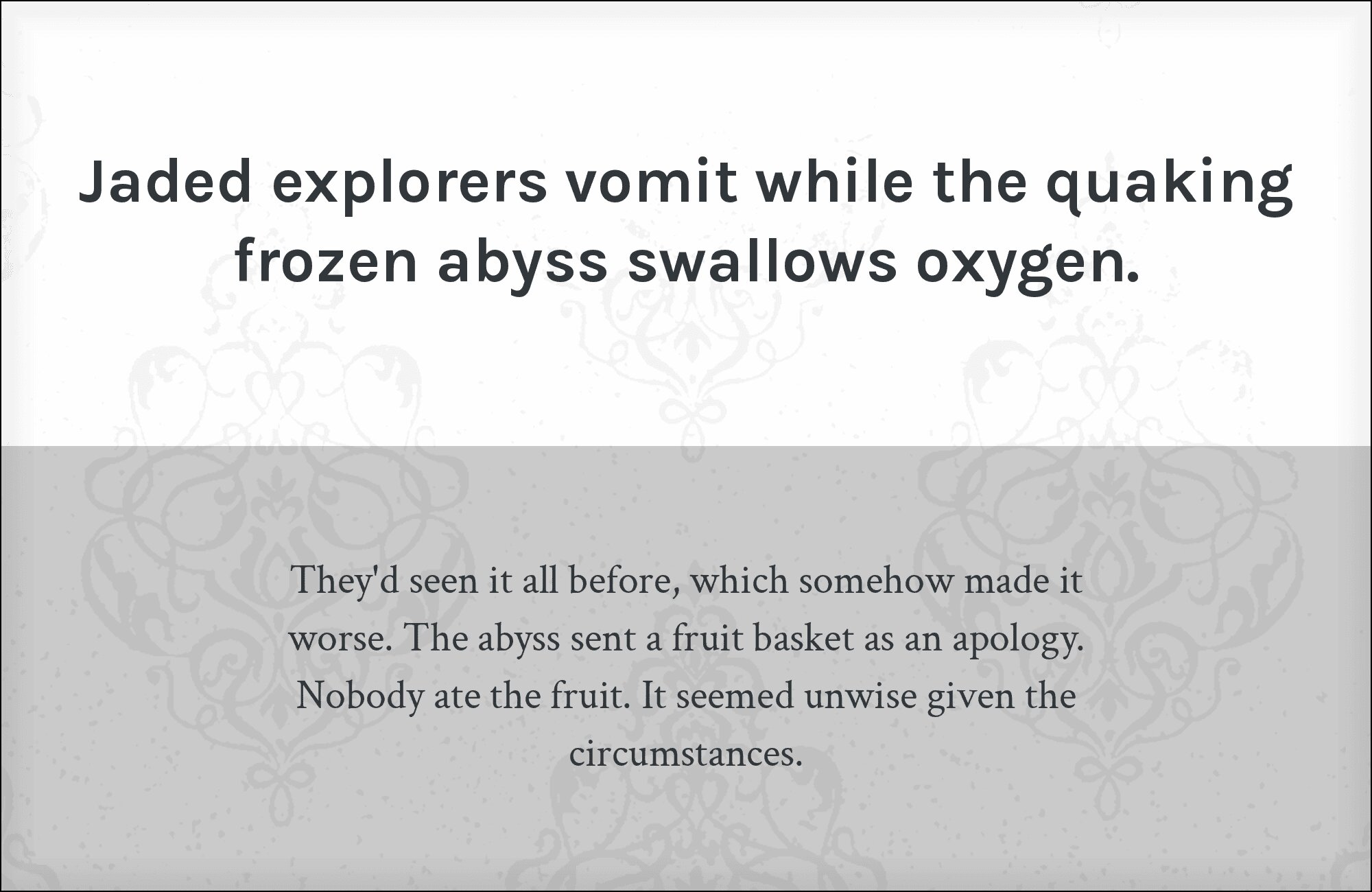
Crimson Text‘s old-style proportions and Renaissance influences create headlines with genuine typographic heritage. Karla’s modern grotesque forms in body text provide contemporary contrast that prevents stuffiness. This combination suits literary journals, book reviews, or academic commentary. The italic cuts of Crimson Text pair particularly well for quoted material within Karla’s upright body text.
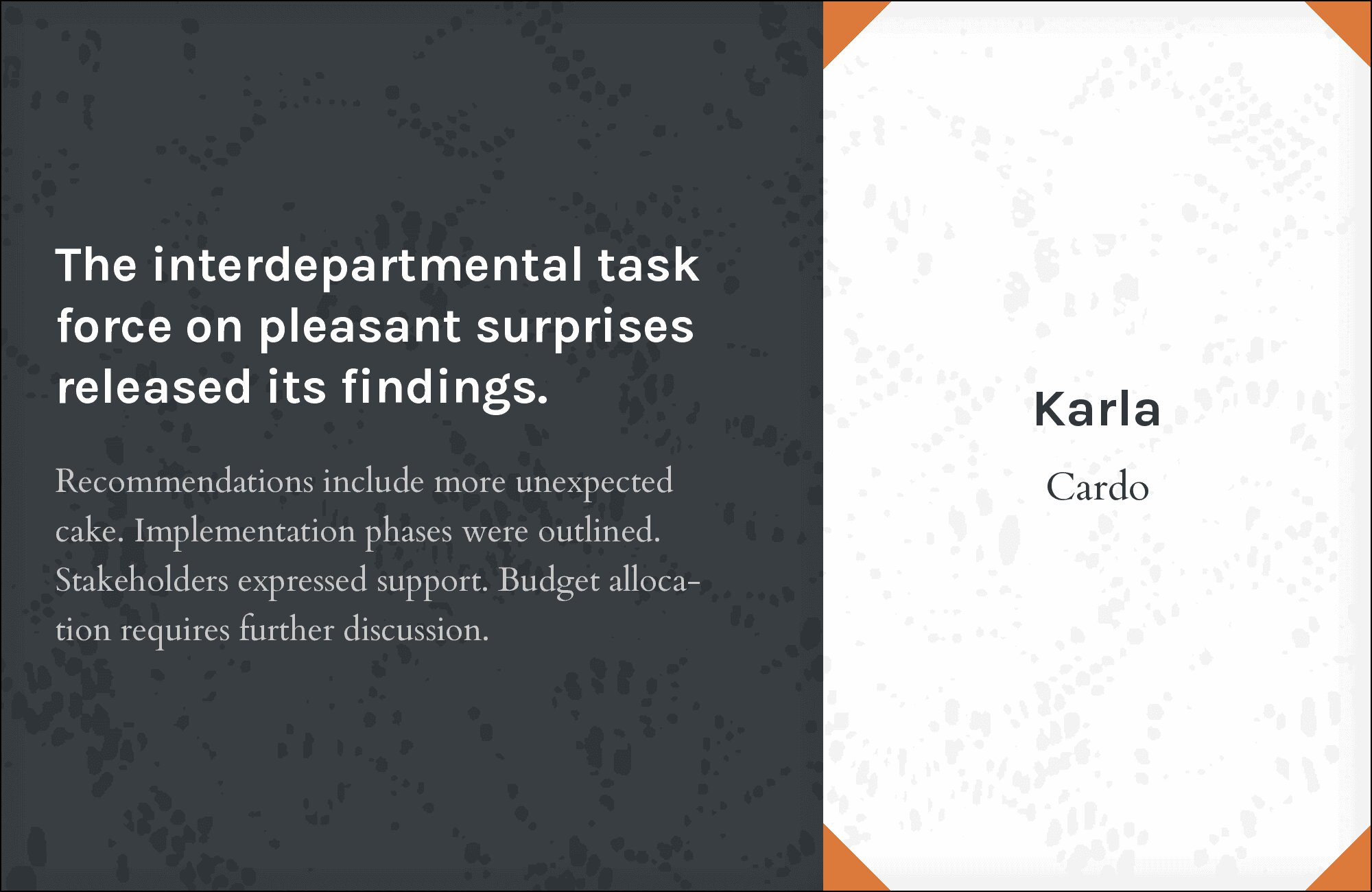
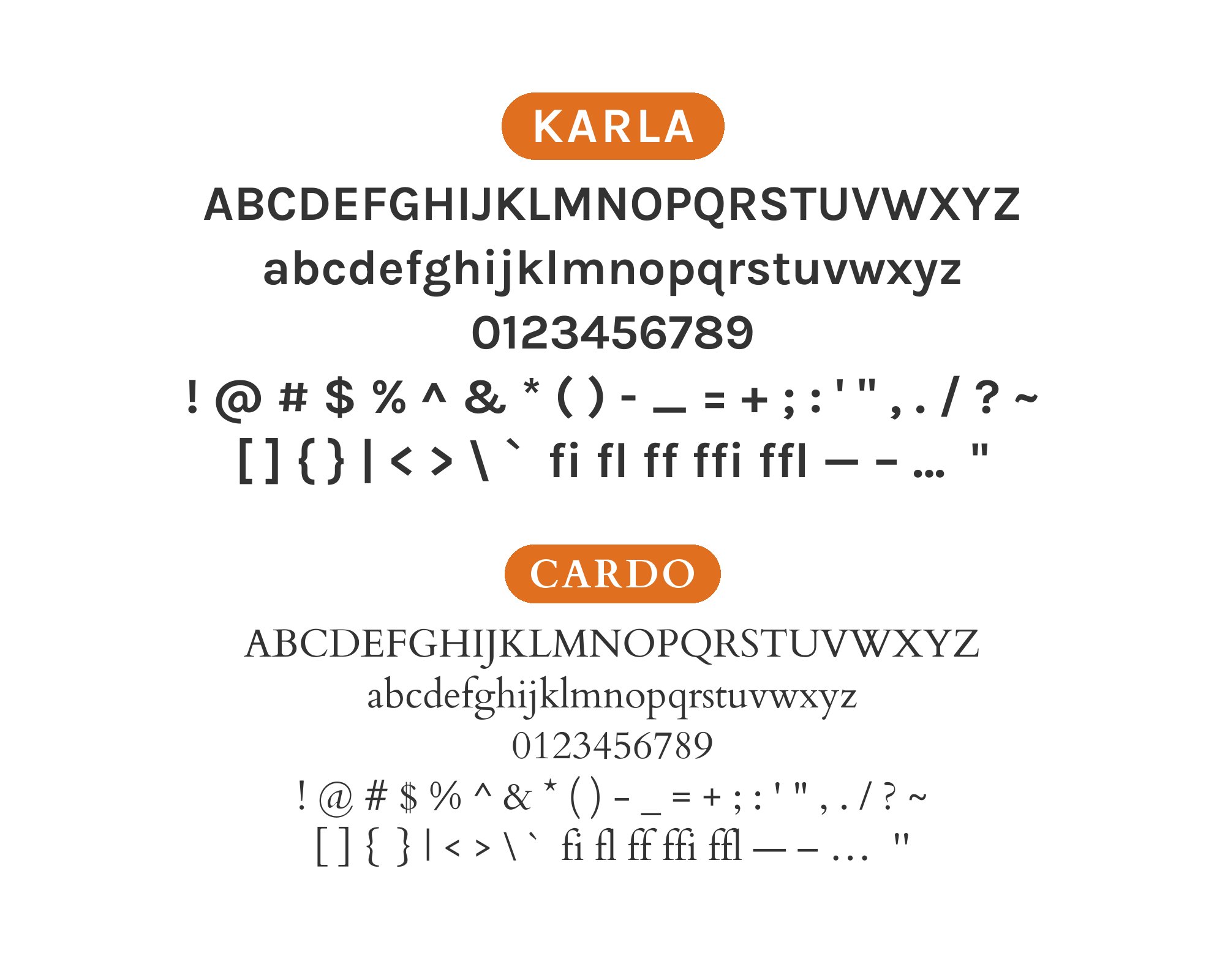
12. Cardo
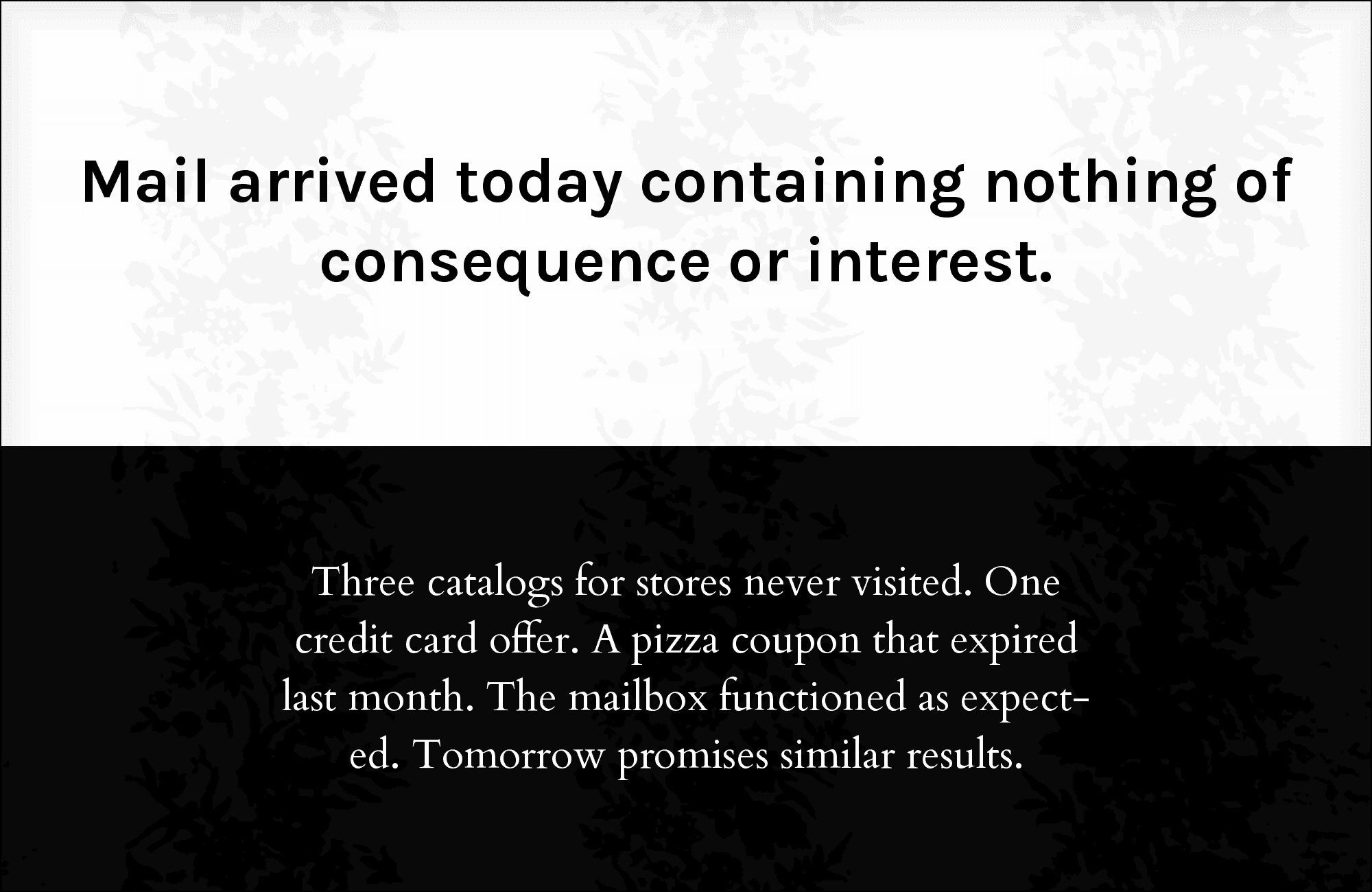
Cardo was designed for scholars and classicists, and that erudite character shines through in headlines. Paired with Karla’s everyday functionality, you get accessibility to academic content without intimidation. This combination works for humanities publications, university websites, or cultural commentary. Cardo’s extensive glyph coverage handles specialized terminology while Karla keeps the rest readable.
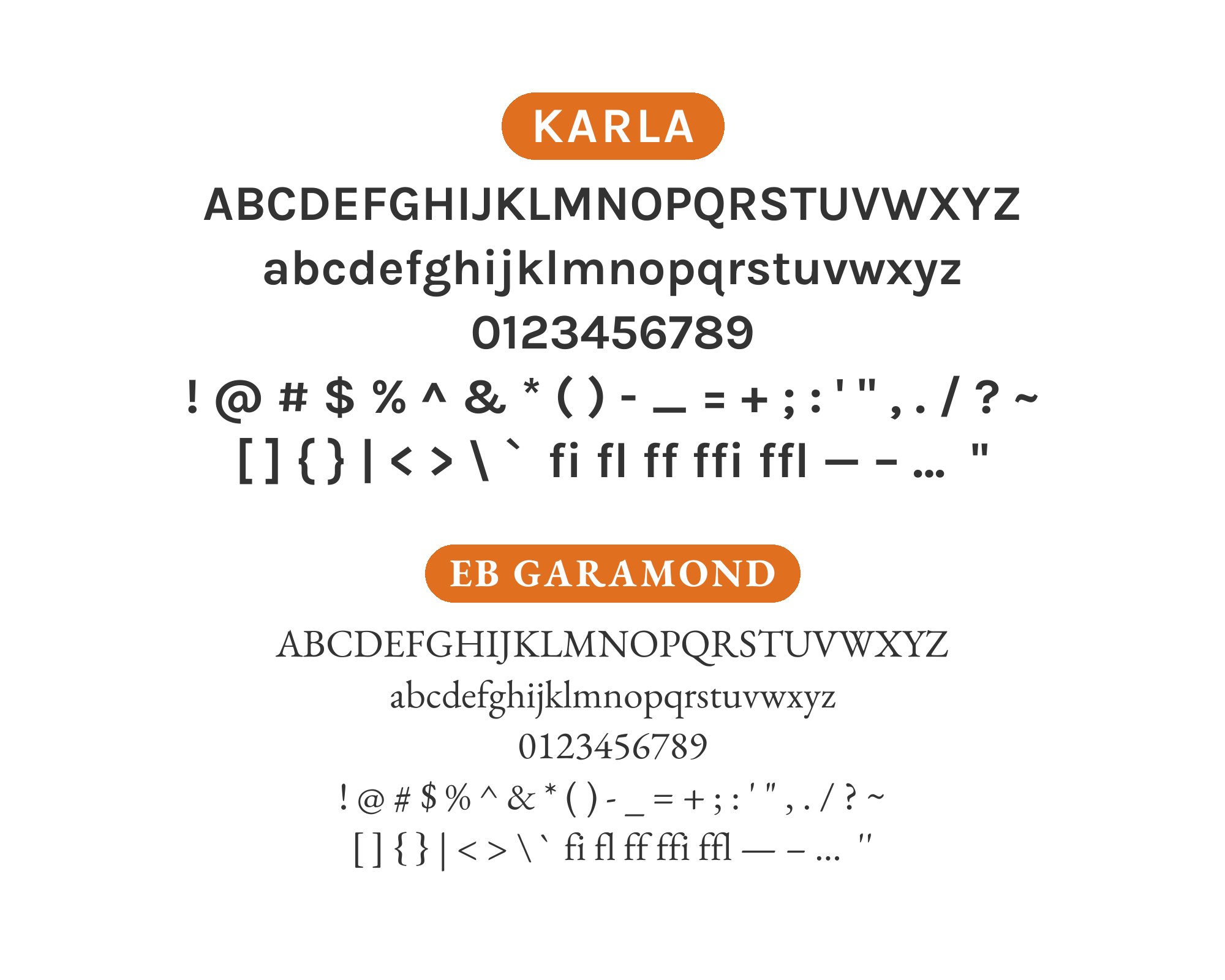
13. EB Garamond
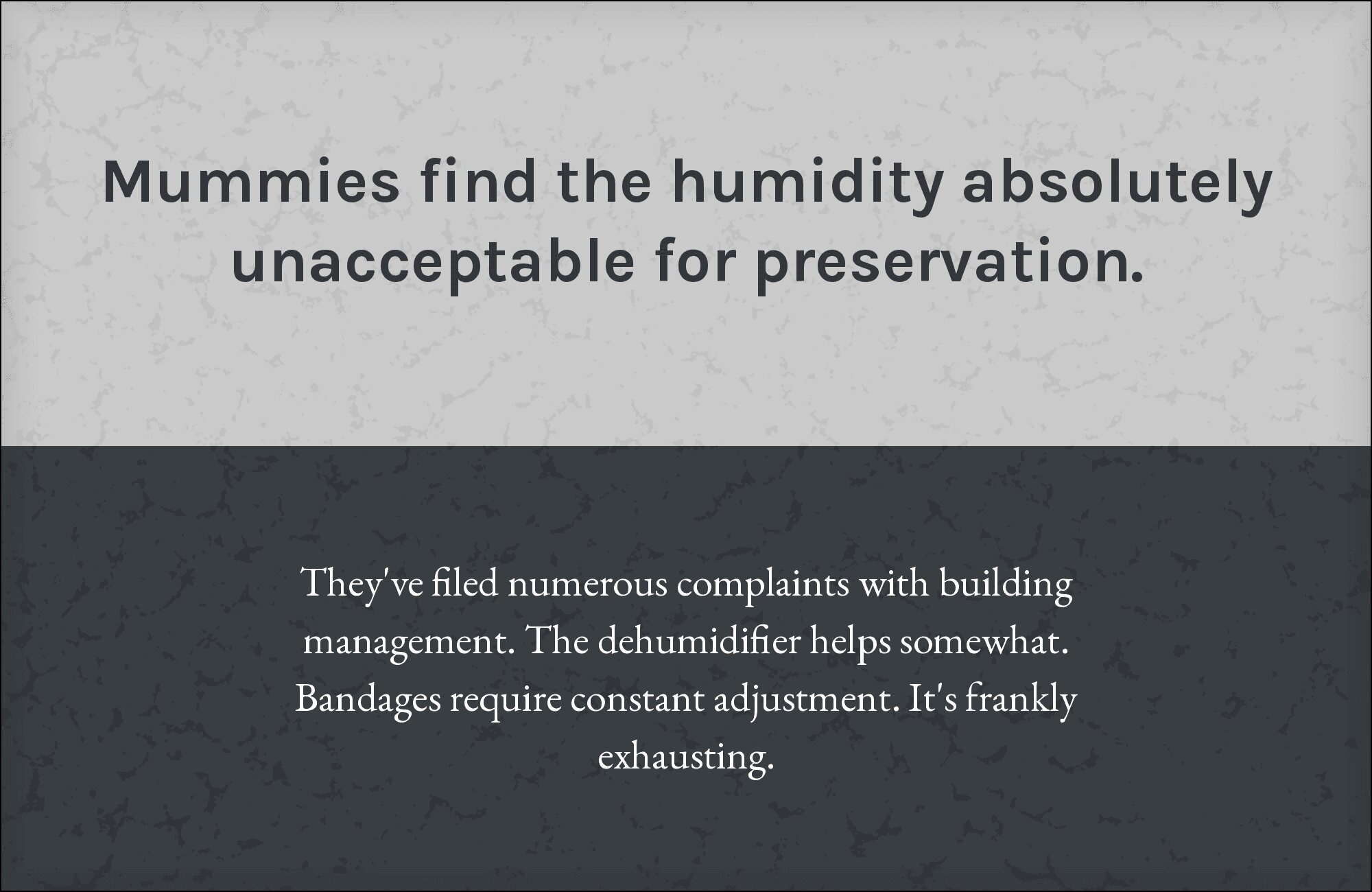
EB Garamond‘s faithful interpretation of sixteenth-century French typography brings genuine historical weight. Karla’s contemporary grotesque forms create temporal contrast that spans centuries productively. This pairing suits fine art publications, wine content, or luxury storytelling. The combination signals sophistication without pretension. EB Garamond’s beautiful italic complements Karla’s understated oblique forms.
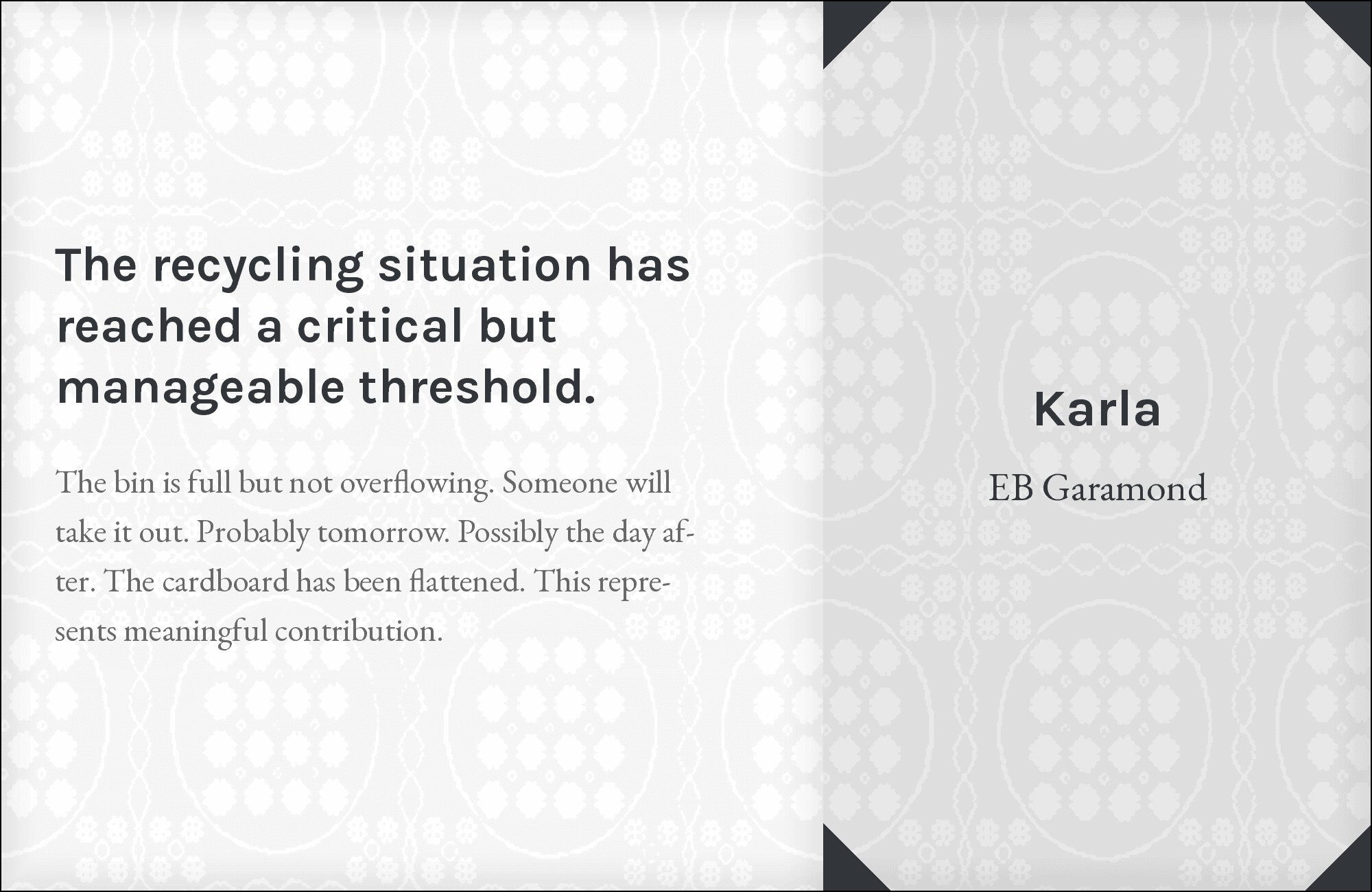
14. Roboto
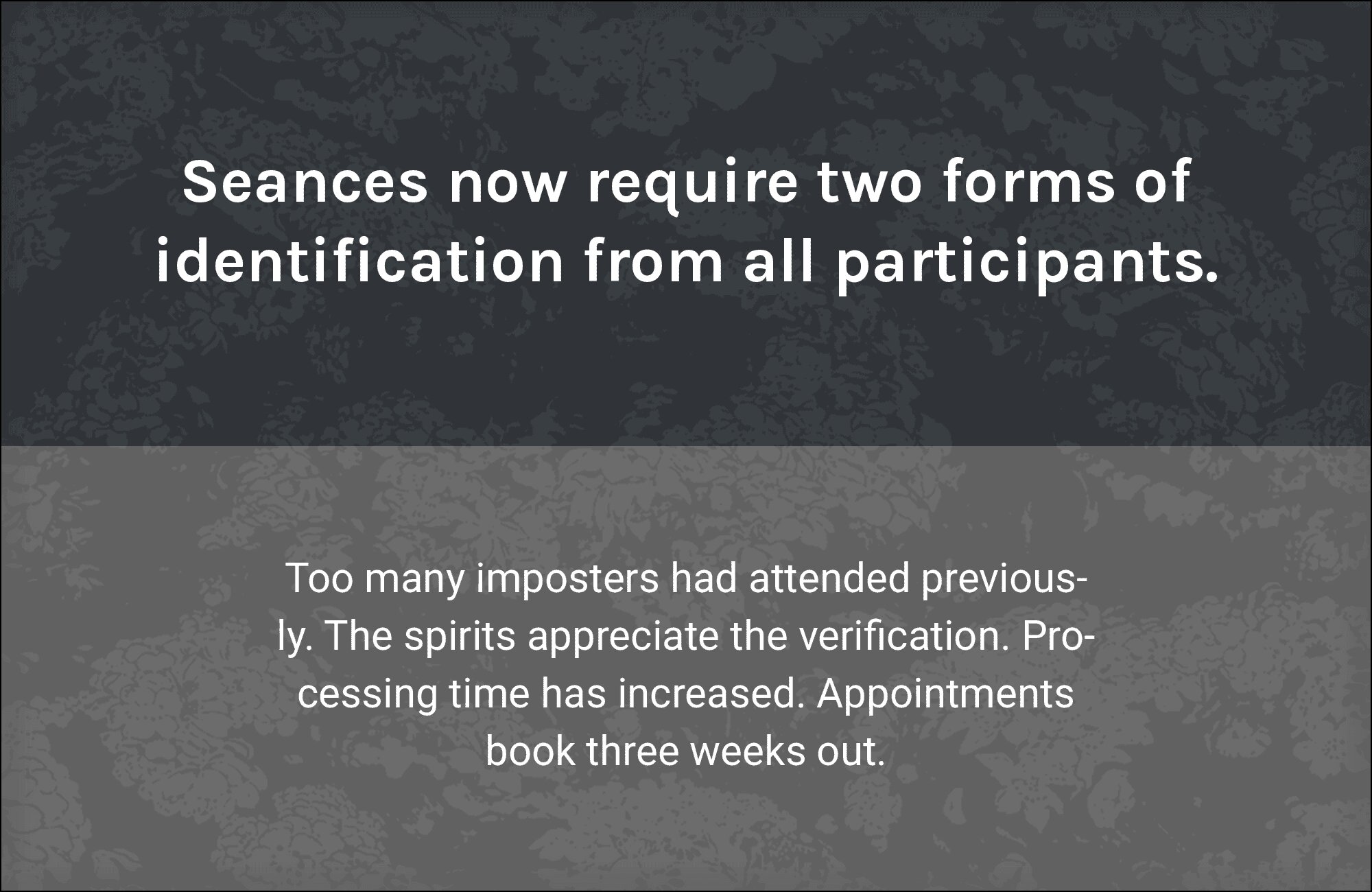
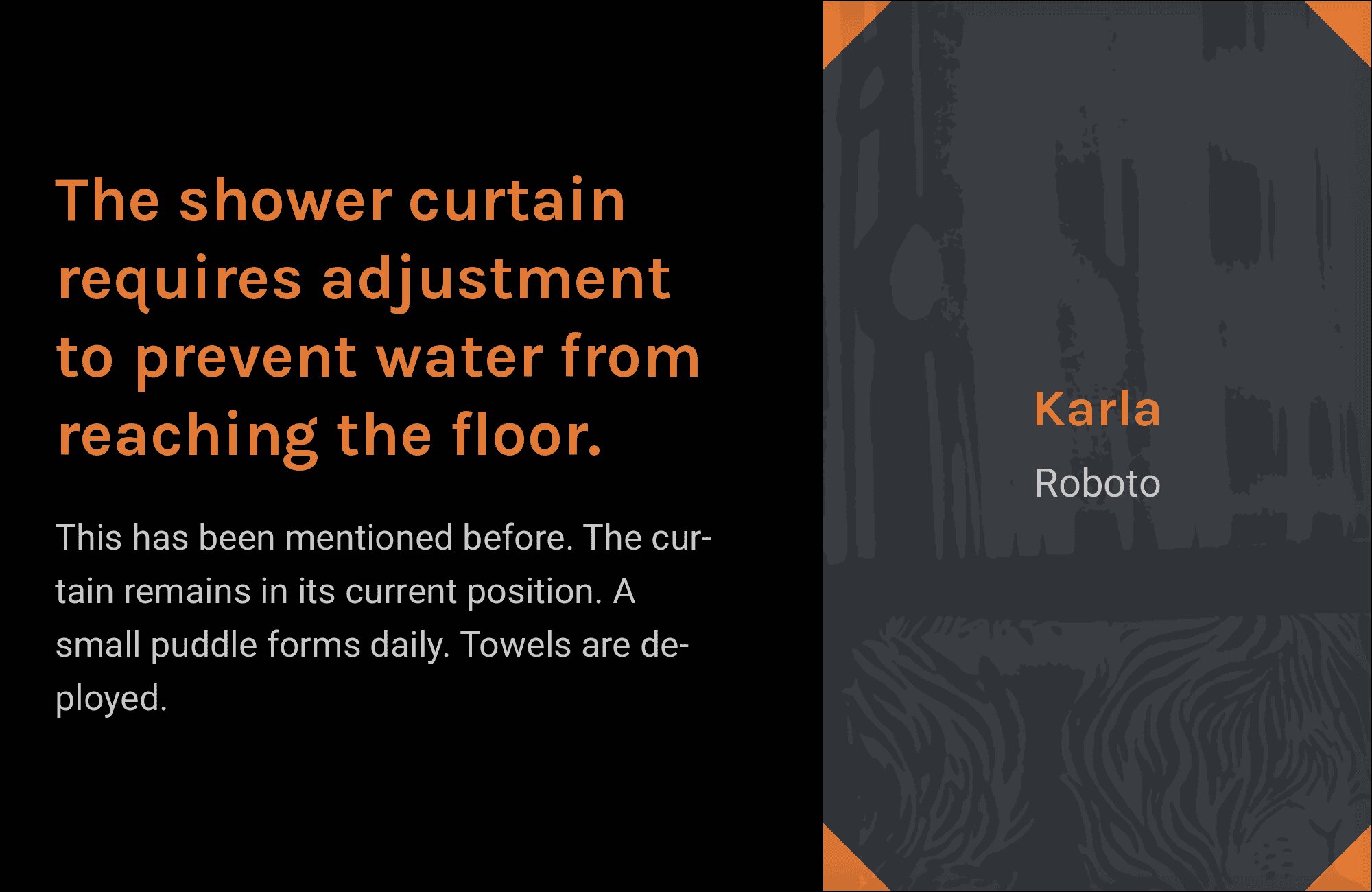
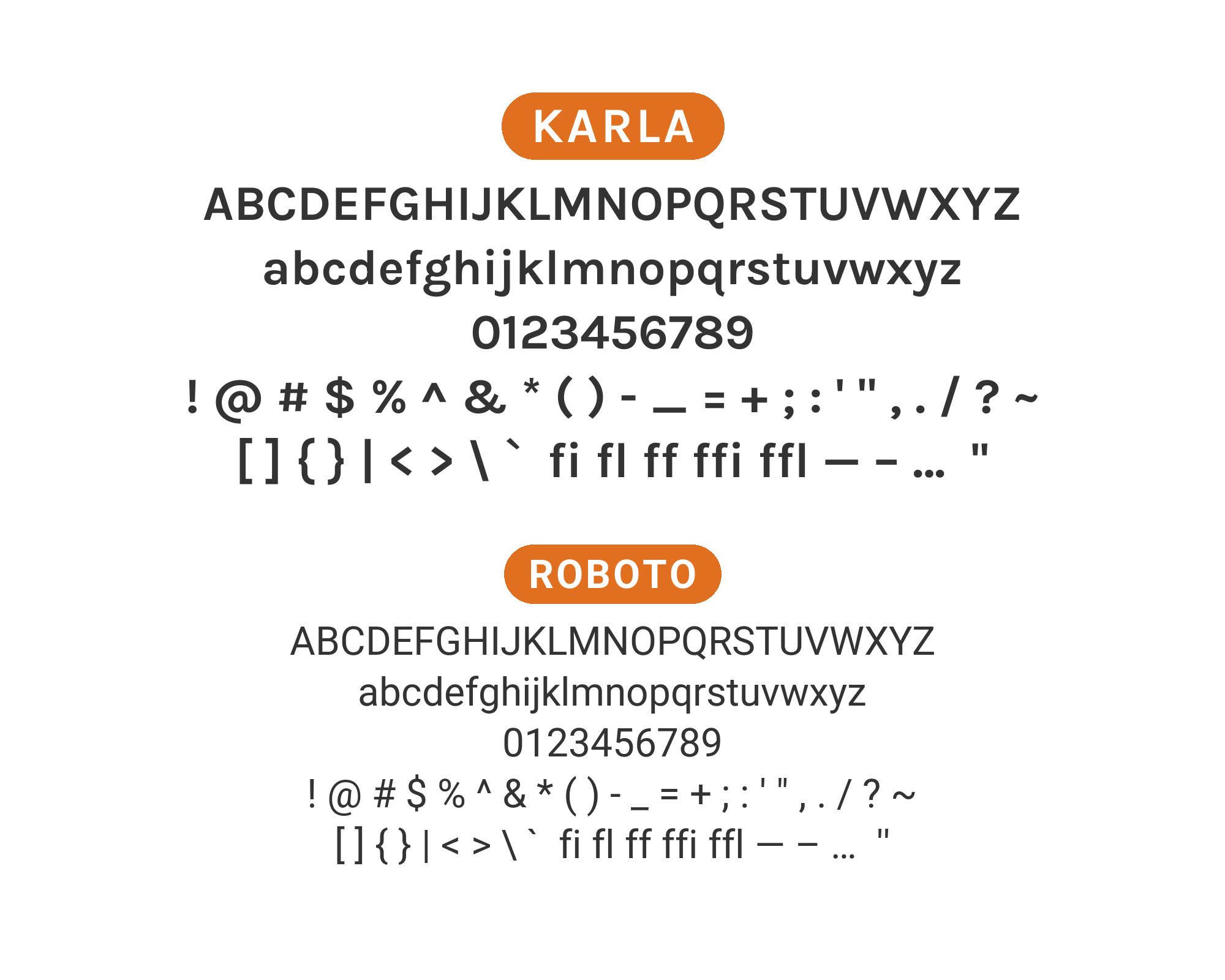
Roboto‘s neutral skeleton provides headlines that don’t compete with Karla’s quirky body text for attention. Google’s system font brings reliability that frees Karla to express personality where it matters most. This pairing works for Android-adjacent design, material design implementations, or any project requiring cross-platform consistency. The combination is pragmatic but not boring.
15. Inter
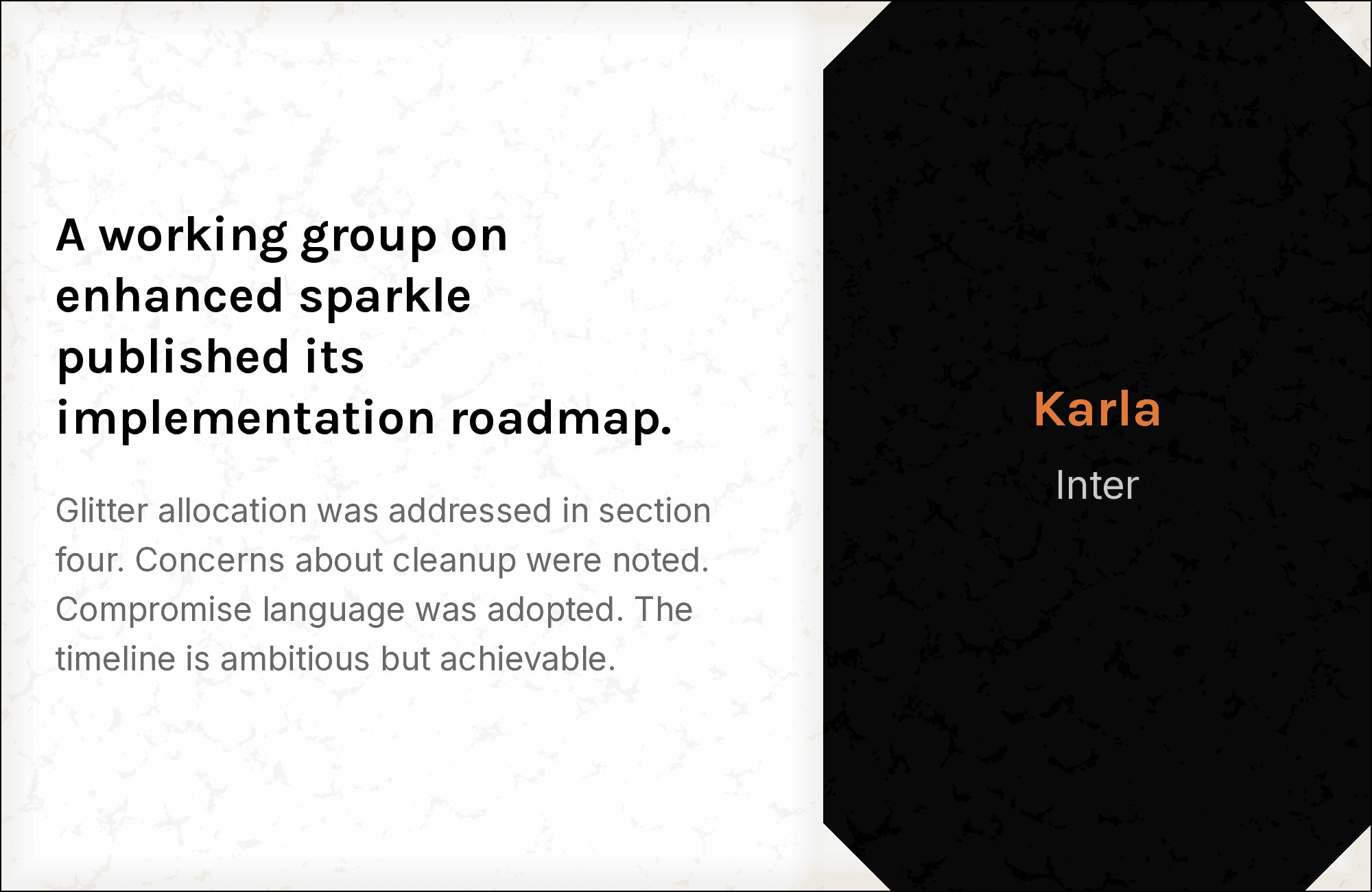
Inter‘s UI-optimized construction creates headlines designed for interfaces, while Karla’s distinctive forms bring warmth to body copy. Both fonts were built for screens, making this combination crisp across devices. Works for SaaS dashboards, productivity tools, or design system documentation. Inter’s geometric precision contrasts productively with Karla’s humanist irregularities. Modern and functional.
Conclusion
There are no absolute rules for font pairing, just principles to guide you. The key is contrast—in weight, in style (serif vs. sans-serif), or in personality. Karla is versatile enough to play well with many different typefaces.
Trust your eye, experiment freely, and remember that the best pairing is the one that serves your content and audience. Typography should enhance communication, not complicate it.
